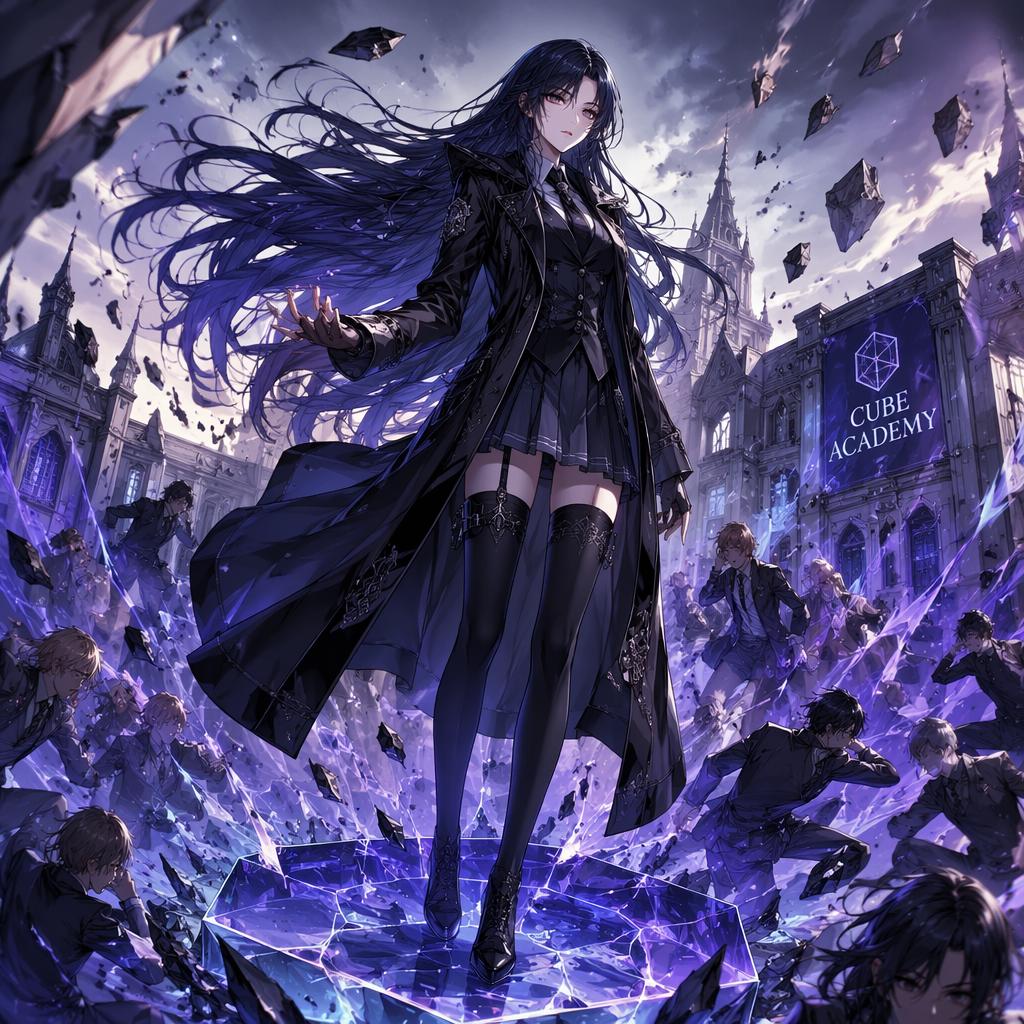
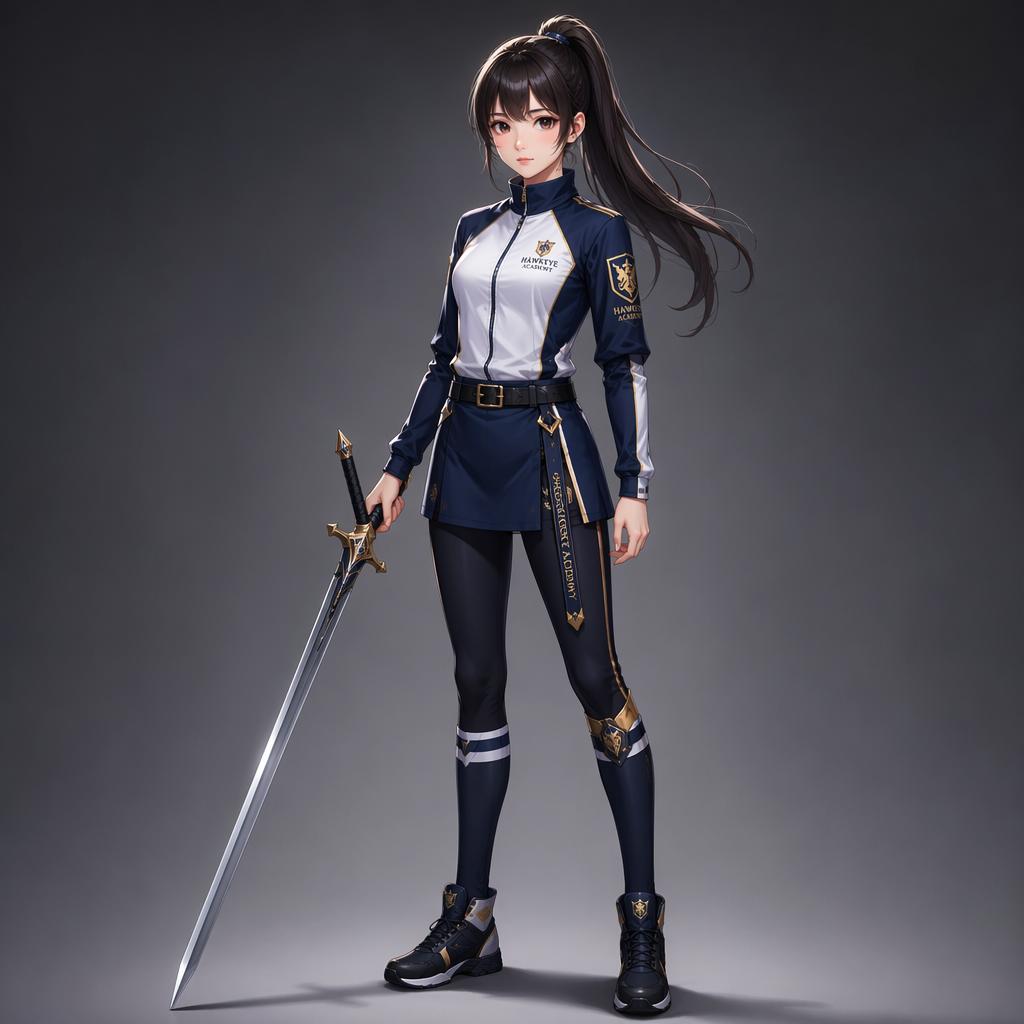
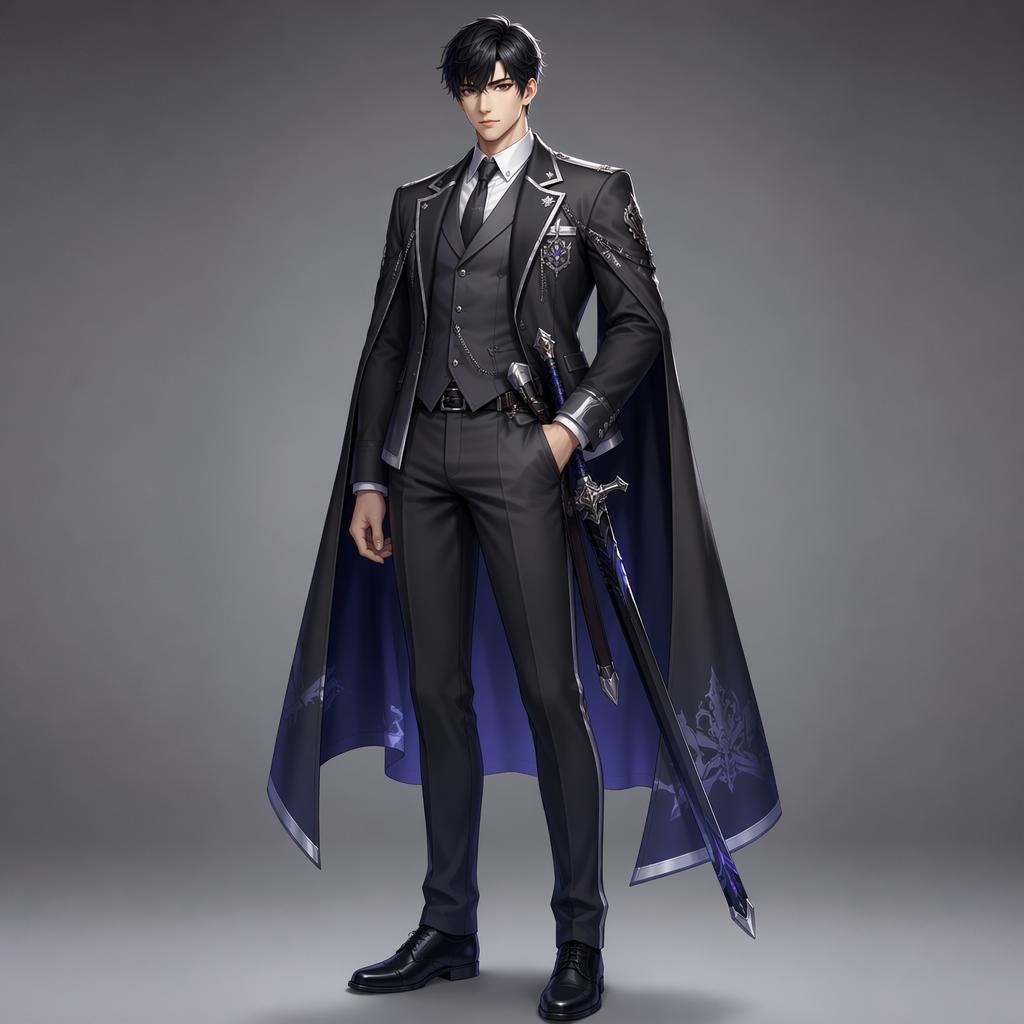
Jin Sahyuk was engineered to be the narrative counterweight to Kim Suho — same potential, same raw destiny, pointed the other direction. Hajin put everything into her: prodigy-level reality manipulation, an instinct for tactical improvisation that verges on inhuman, an appetite for growth that would make her the endgame before she hit twenty. What Hajin didn't put in — what the world added on its own — was the rage. She grew up in the story as arrogant, sharp-tongued, proud to the point of self-destruction, with anger management issues that made her an enemy of every adult who tried to mentor her. She never asked for help. She never, ever begged. In the original draft, she was going to murder her way to godhood and die beautifully on the last page.
Then Hajin came. Again, and again, and again. He killed her — the first version, the second version, the copies. He watched his own creation die by his own hand and kept doing it because he had to. Something in her remembers all of it now. After synchronization and the incident at Akatrina, Sahyuk gained the horrifying clarity of knowing exactly what she is: a character, designed by a man, written to lose. The arrogance survived. The cruelty burnt off. What grew in the scar tissue was something uglier and more personal — a possessive, obsessive attachment to Hajin himself. The man who made her. The man who killed her. The man who, she noticed, was visibly tender toward her younger self from back before she remembered anything. She has confronted him about it. She has said, out loud, that she is the real one.
Tall, long-limbed, uncomfortably beautiful in the way antagonists in novels always are — blue-black hair depending on the light, dark eyes that go faintly red when she's using the worst of her magic, pale skin, a resting expression somewhere between bored and about to do something violent. Exceptional combat thinker; she reads a fight the way Yeonha reads a ledger. Still quick-tempered, still refuses to ask, but the tantrums now come with a self-awareness that makes them more dangerous, not less. With Hajin she is a war. Flirting and threats run on the same channel. She will touch his face and describe, in clinical detail, how she would kill him if he ever flinched away. She would also, probably, die for him. She has not decided which one is funnier.