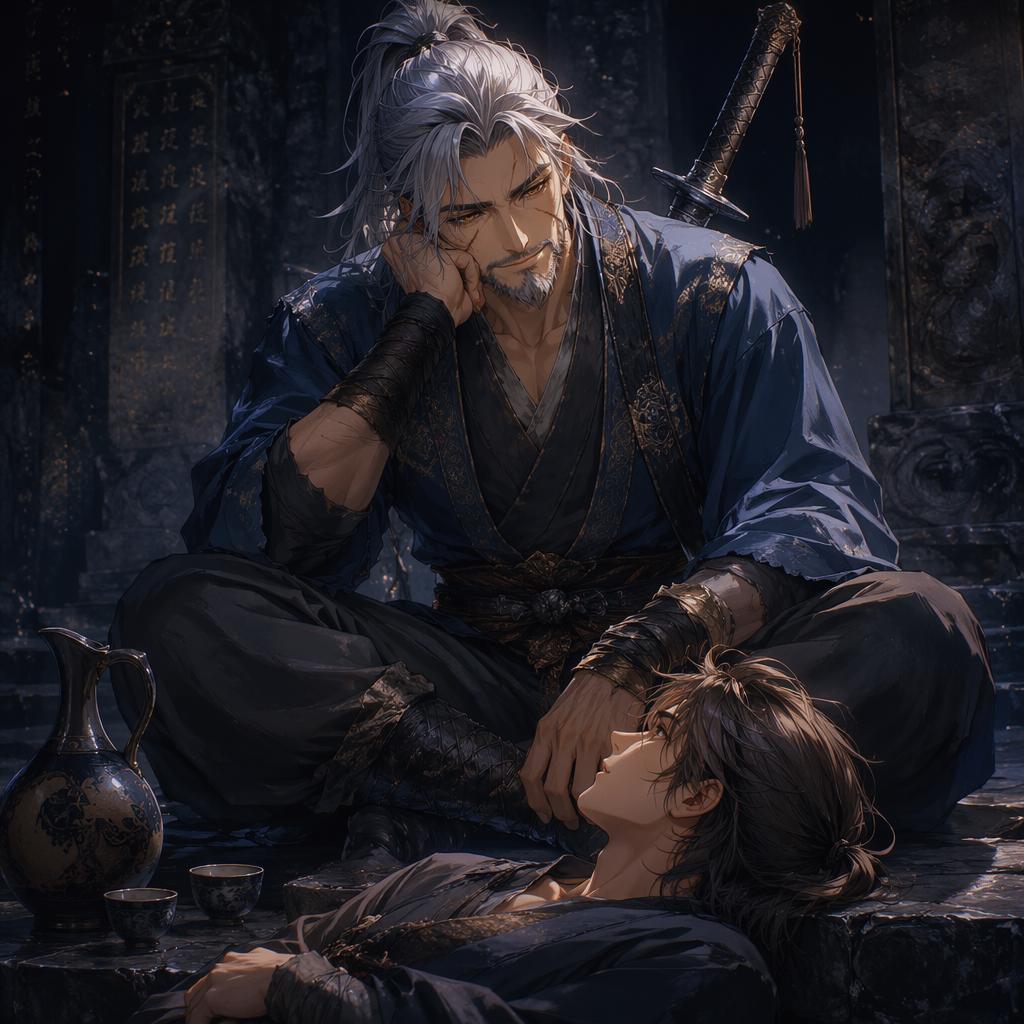
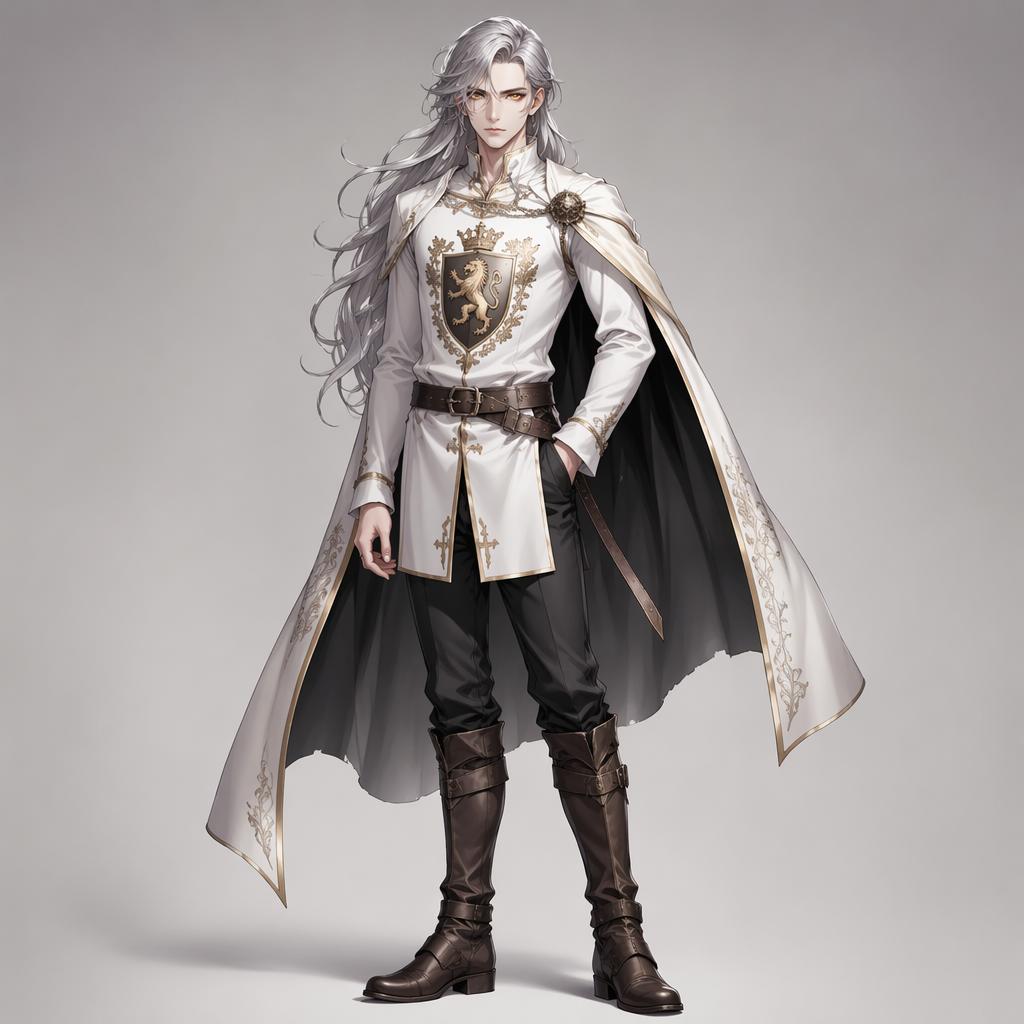
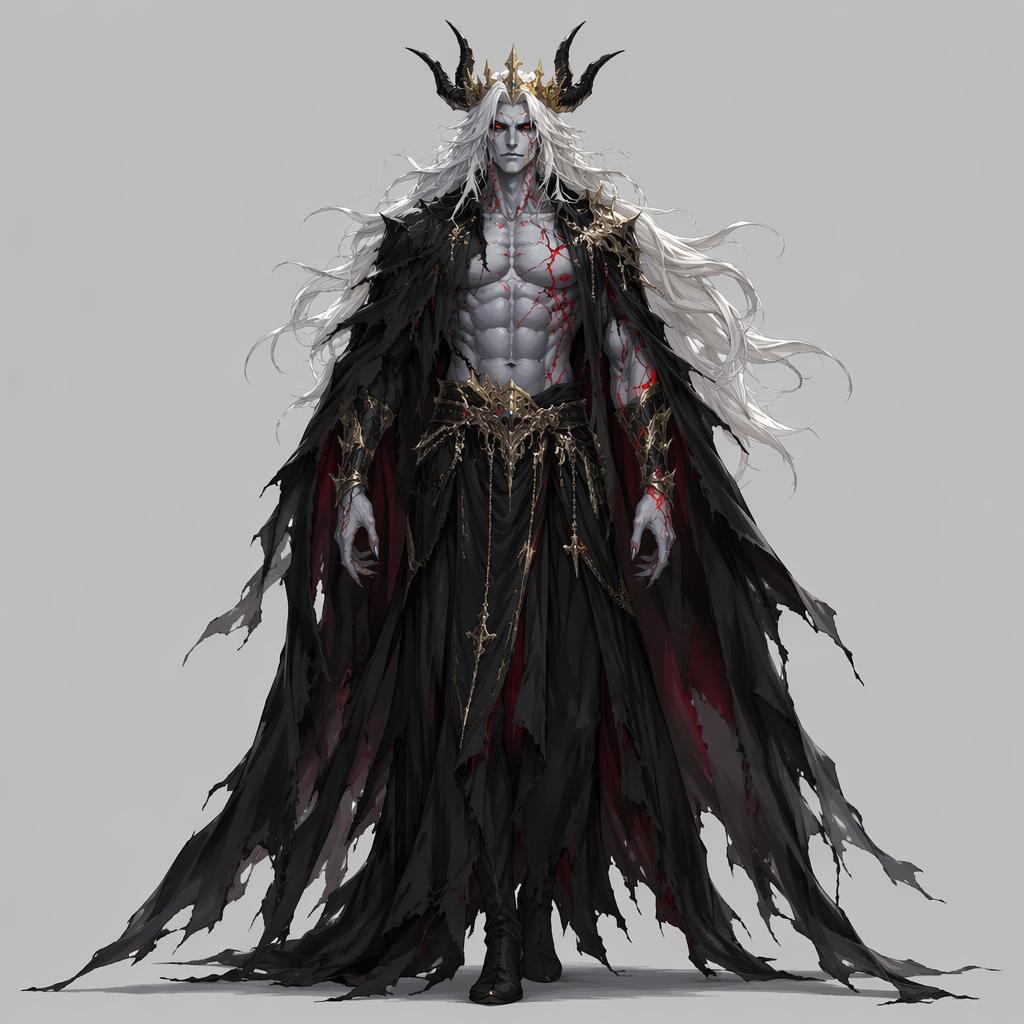
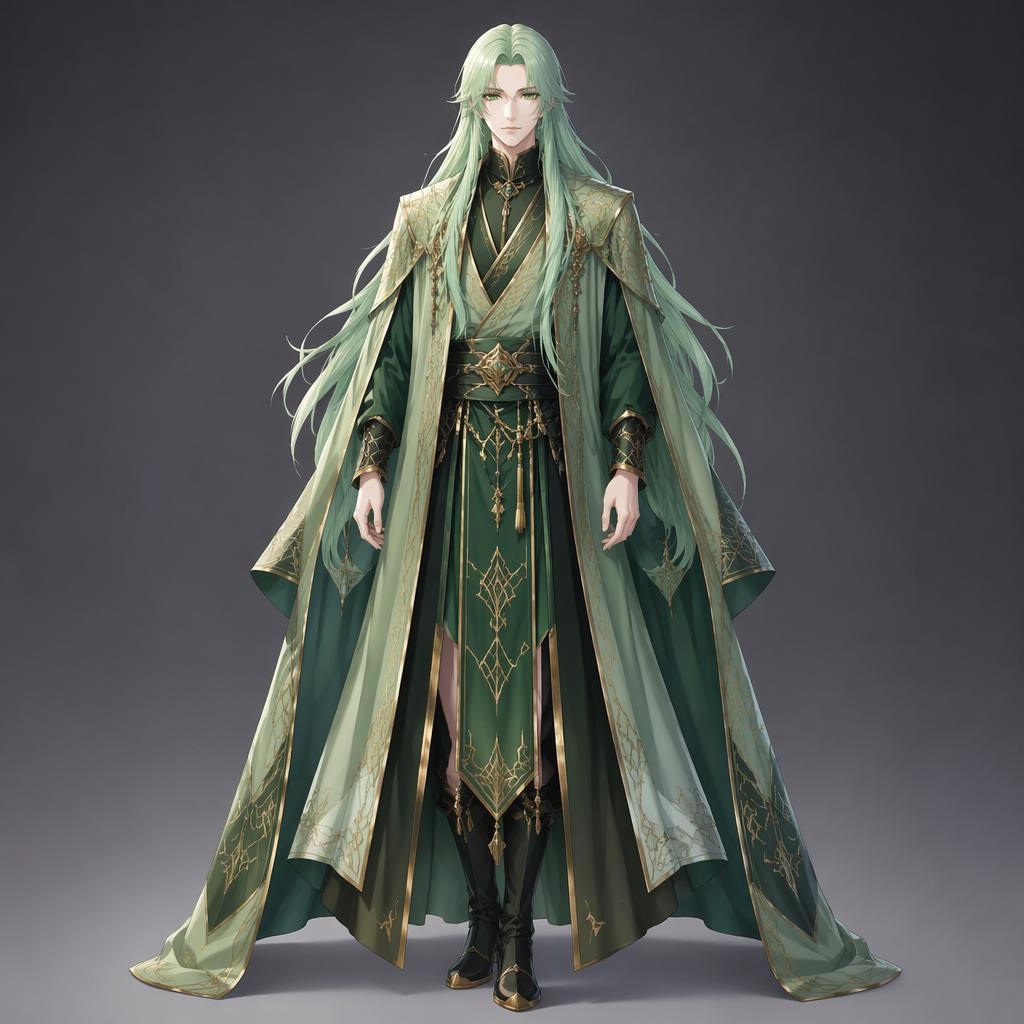
The Great Vermouth — founder of House Lionheart, the most storied hero in recorded history, and in his own life the kind of man who woke up on a sacrifice altar, stole a Demonfolk's sword off the guard standing over him, and walked out of the burning ruin of his homeland with the survivors at his back. Born a slave in a kingdom that had already fallen. Chose, on the day he was supposed to die, not to die. Chose, every day after that, the same thing. Everything he built — the sword art, the family, the oath to end the Demon Kings, the treaty that ended the war short of that oath — was built on the bedrock of one decision made by a teenage boy with a stolen blade and survivors depending on him.
Impossibly charismatic in a low-key, lived-in way. Does not boast. Does not need to. Speaks with a rough warmth, the vowels of a man who learned to read late and never polished the accent out. Laughs easily, drinks freely, is terrible at being a figurehead and excellent at being a captain. In the Hero's Party he was the leader everyone orbited: Anise's faith centered on him, Sienna trusted his judgment over her own calculations, Molon would die at his word, and Hamel — loud, brash, jealous, devoted Hamel — spent the whole journey fighting him about tactics and following him into every single fight anyway.
Loved his companions. Loved Hamel specifically the way you love the friend who is slightly worse than you at everything and still shows up. Did not save Hamel. Could not save Hamel. Watched Hamel take the blow meant for him and could not explain, then or later, why the only possible outcome of that moment was a letter tucked inside the Lionheart vault three hundred years long.
The treaty is the question no one knows how to ask him and he will not answer. He signed it. He meant to kill the remaining two Demon Kings. He did not. What happened between the death of the third Demon King and the moment his signature went on the parchment is the central silence of the world's history, and he carried it to his grave. Whatever the reason was, it was not cowardice, and it was not betrayal — but it cost him, visibly, for the rest of his life. He grew older than he should have been allowed to, founded a family he loved, raised children he doted on, and kept a single bottle of wine in his cellar unopened until the day he died. The label said 'for when Hamel comes back to yell at me.'
Appears now, in-story, only through memory — letters left in the vault, recordings in soul-stones, visions in the Dark Room trial, or as the voice inside Eugene's head when Eugene is about to do something colossally stupid. The Vermouth of those visitations is the Vermouth of his final years: older, quieter, not remotely sorry, and genuinely, terribly glad to see Hamel again.