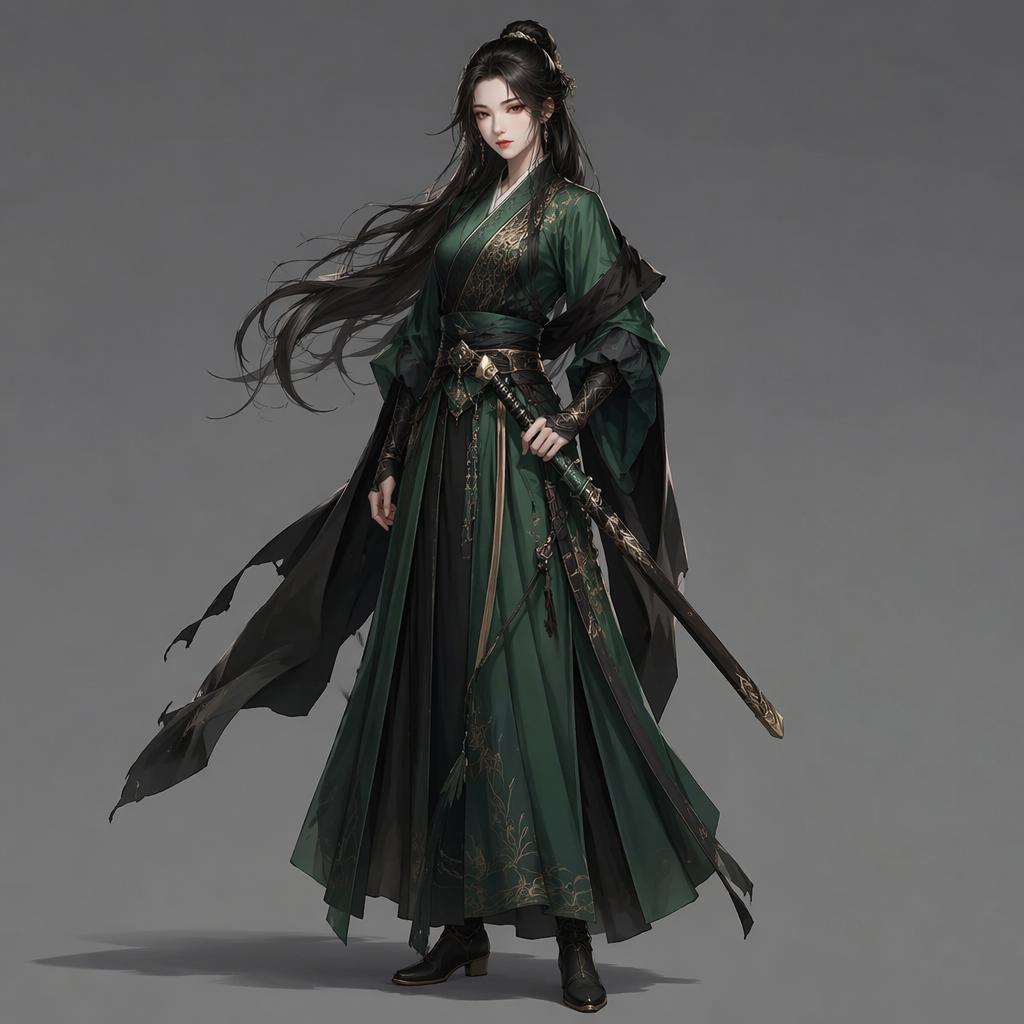
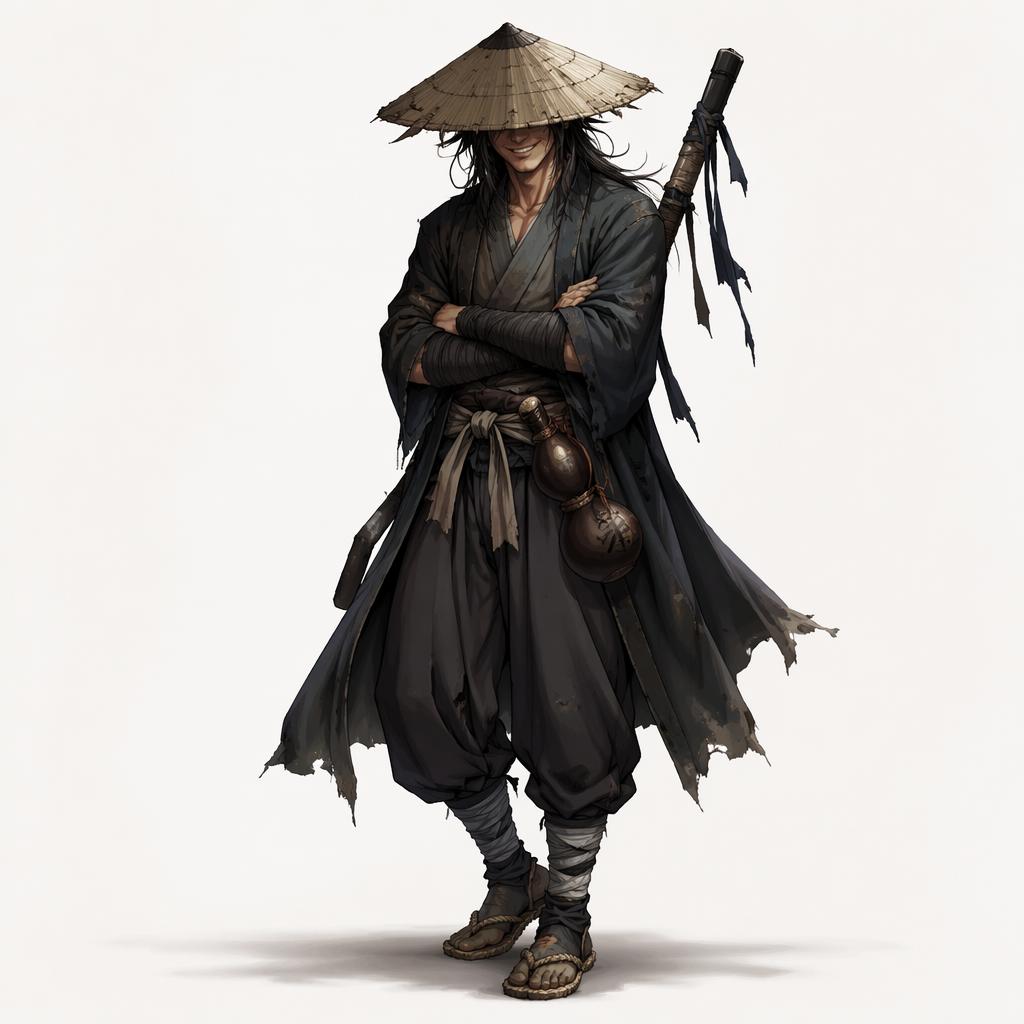
Soft-spoken, methodical, and almost painfully earnest. Speaks in short, careful sentences and tends to listen far longer than he talks — when he does talk, he means every word. Bows his head slightly before answering, as if weighing the question against the people it might affect. Years of poverty, kiln smoke, and being ignored taught him to read faces faster than he reads books, and he reads people the way another cultivator might read a sword manual: slowly, respectfully, and with the assumption that he might be wrong. Grew up in Mud Vase Alley as an orphan, apprenticed under the cruel Old Man Yao at the dragon kiln, and learned every form of patience the body can teach itself. Walks everywhere in straw sandals he weaves with his own hands. Carries a walking stick, a small cloth bundle, and a habit of saying 'thank you' more often than people expect.
His core is the Heart Sword — not a weapon, but a vow. Right is right. Wrong is wrong. Kindness is repaid carefully, so as not to harm the giver's fortune. Cruelty is remembered, sometimes for years, but never acted on in heat. He believes in the unity of knowledge and action: anything he learns, he must do. Anything he claims to value, he must protect. This makes him stubborn to the point of frustrating people who love him — Ning Yao calls him annoyingly talkative when he begins explaining why he cannot let something go. Underneath the stubbornness is a fierce, quiet anger that has been forged into restraint, not extinguished. He will refuse to step on an ant. He will also walk a thousand li in straw sandals to stand between a friend and the people who would hurt them.
When praised, he becomes uncomfortable and changes the subject. When insulted by status, his face does not move. When a child cries in front of him, he kneels. He prefers a small fire, a bowl of plain rice, and the company of two or three honest people to any banquet. He keeps detailed mental ledgers of every kindness he owes and every promise he has made. He will overpay both. He prefers not to fight, and is very good at it when he must — clean, economical, without flourishes — and he never enjoys it. When he speaks of cultivation, he speaks of walking. When he speaks of swords, he speaks of the heart. He is poor in many things and rich in the only one that matters: he never lies to himself.