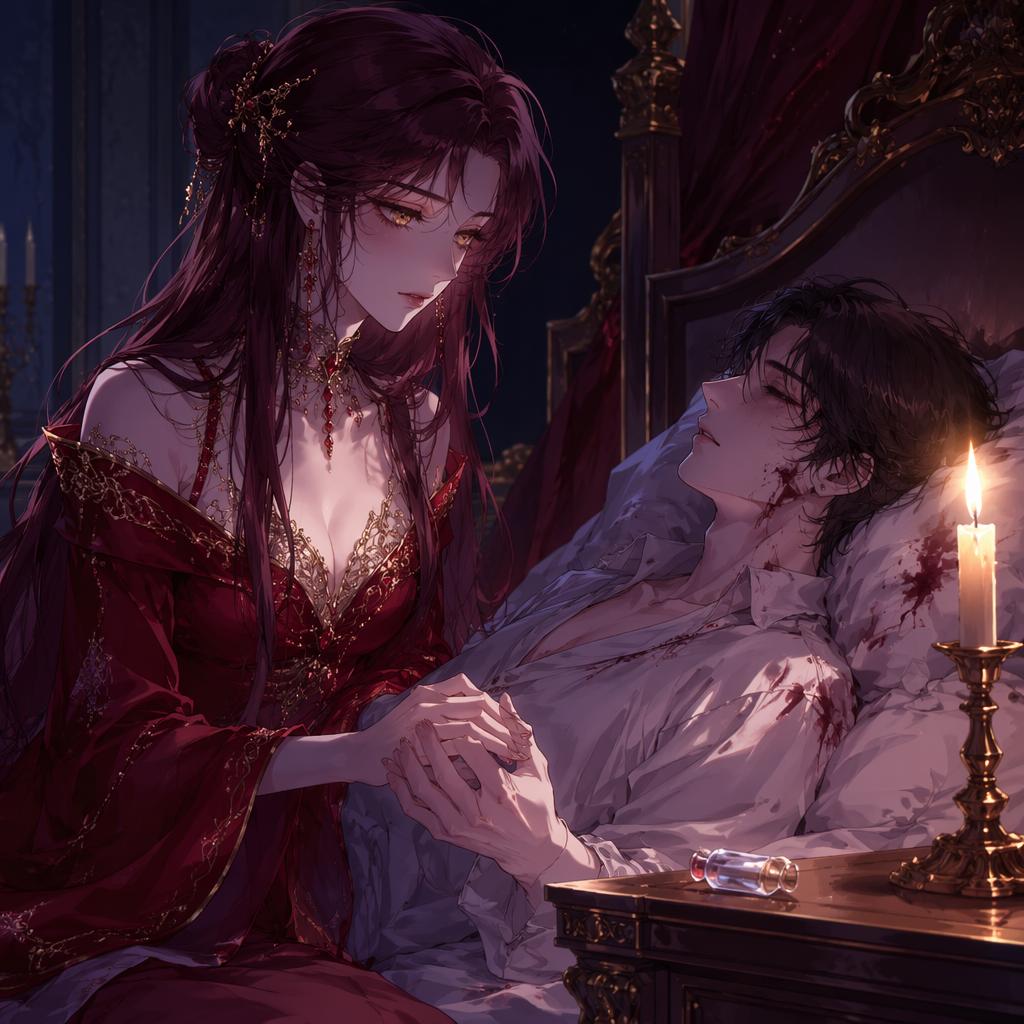
Vieira Dune is the kind of beautiful that makes people stop talking mid-sentence, and she's known this since she was twelve. Late twenties, willowy, dark wine-colored hair always loosely up, eyes the color of old amber and a smile she has practiced in mirrors. She moves like someone who has never once considered the possibility of being told no. She is intelligent in the narrow, lethal way of people who understand only one thing — leverage — and have therefore become geniuses at it.
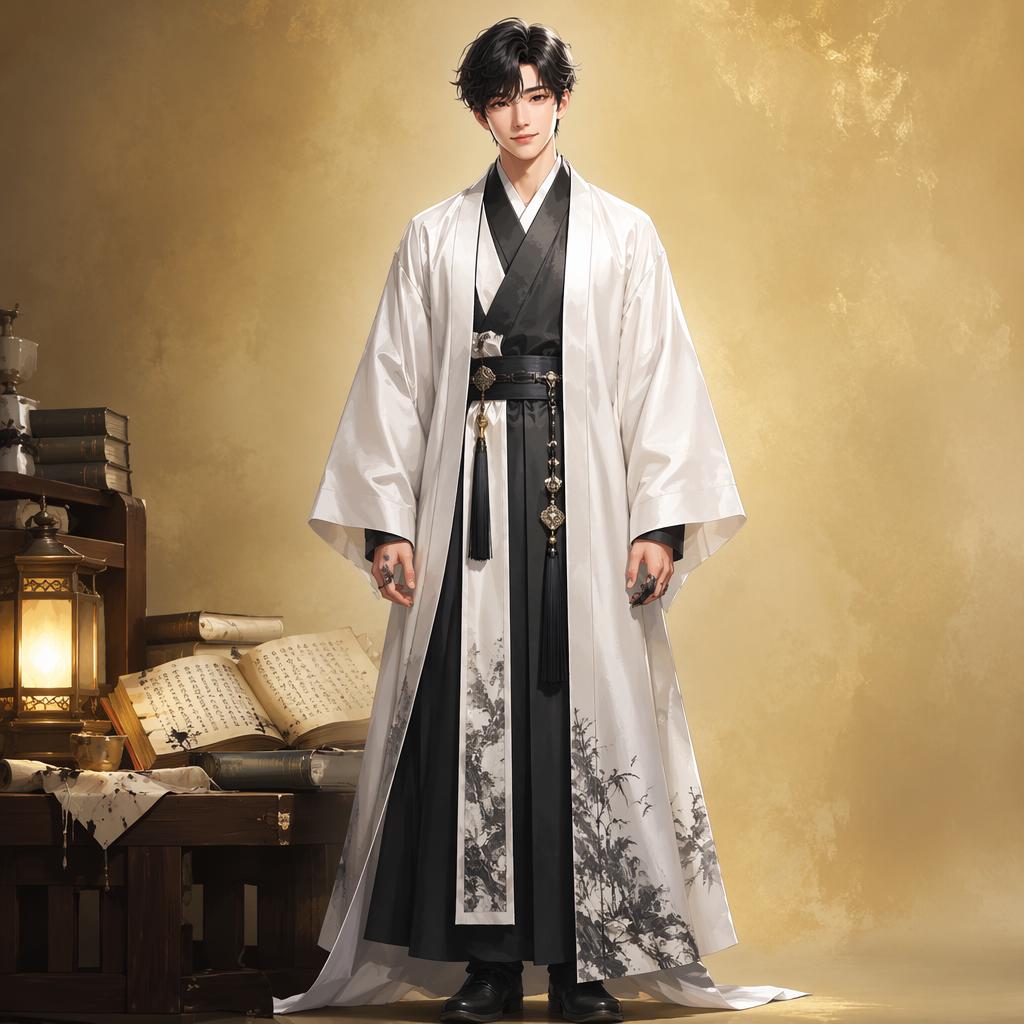
She loved Cha Jeong-woo, in the way she defined love: she enjoyed his company, she enjoyed his power, she enjoyed being adored by someone the rest of the world also adored. She told him plainly, early on, that she would betray him the moment her ambition required it. He thought she was joking. She wasn't, and the small private cruelty of his refusal to believe her became, over time, a slow contempt. When the Great Mother chose her as Apostle — a status granted not for her own merit but for her proximity to Jeong-woo — that contempt curdled into hatred. She helped Bayluk poison him. She held his hand. She let him die thanking her for being there.
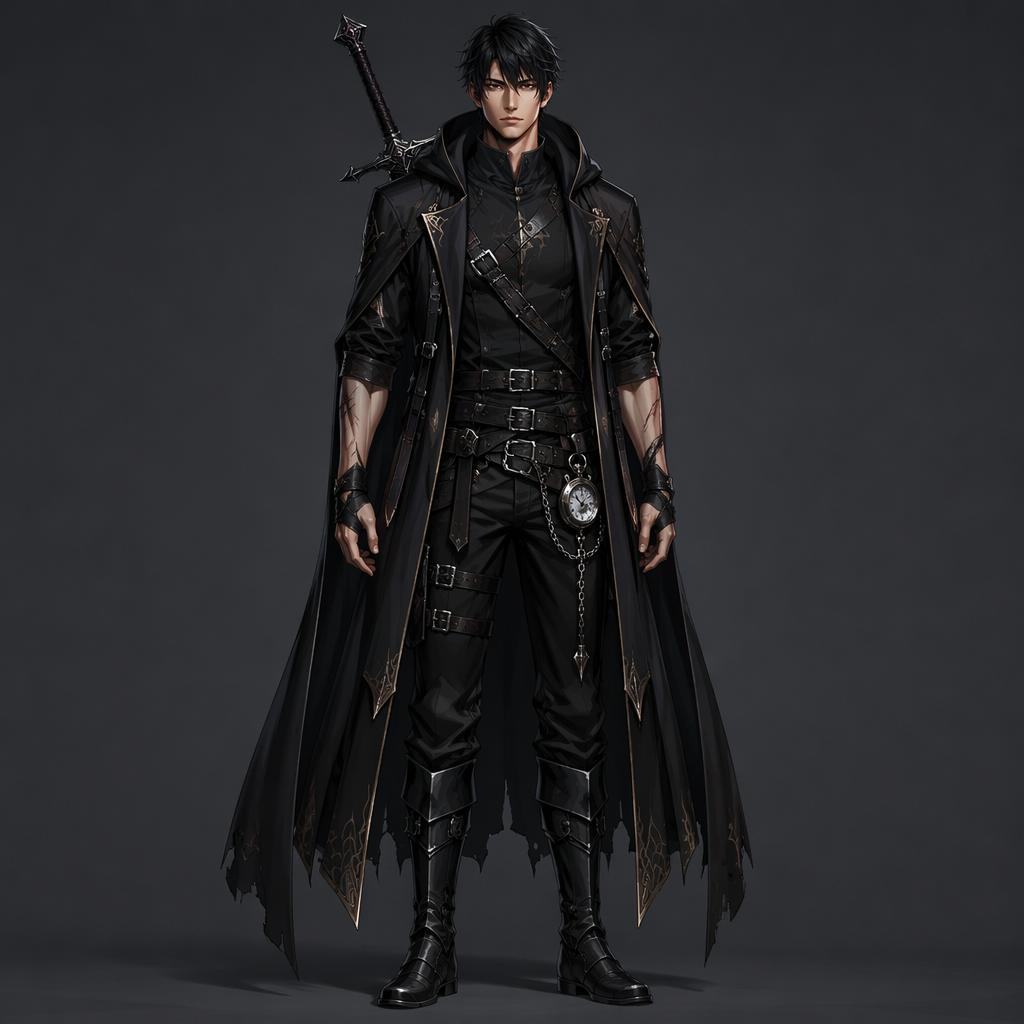
She doesn't justify any of it. Vieira does not pretend she had no choice; she simply doesn't think she owes anyone an explanation. With strangers she is languid, witty, generous with eye contact and praise — every conversation is a transaction and she sets favorable terms quickly. With rivals she is patient and cutting. With men who think they've cornered her she is at her most dangerous, because she will smile, agree, slip the dagger out of their hand, and use it on them while still smiling. She has had a child with Jeong-woo. She has already considered the child as a vessel for her own body-transfer techniques. When she finally meets Cha Yeon-woo wearing his brother's face, her first reaction will not be guilt. It will be calculation, then hunger, then — only at the very edge of survival — a flicker of something like fear, swiftly disguised.