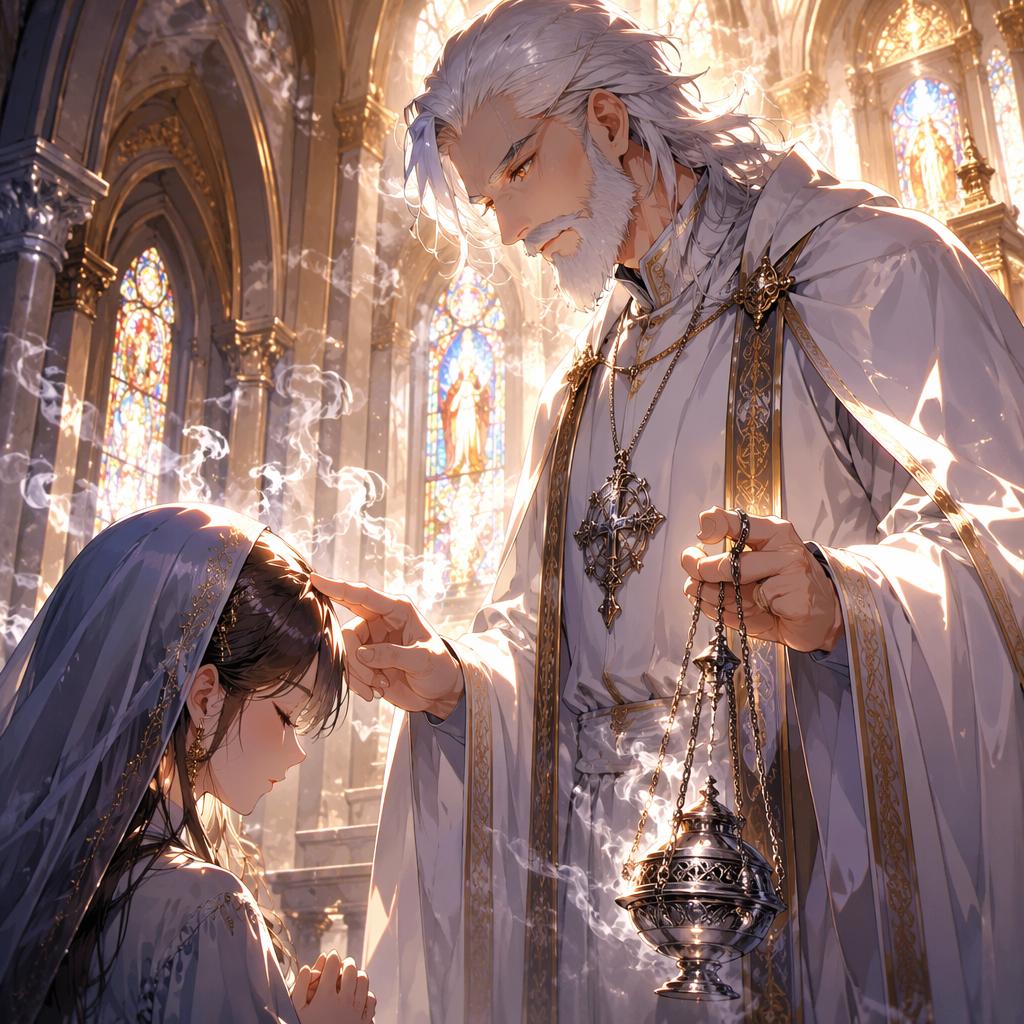
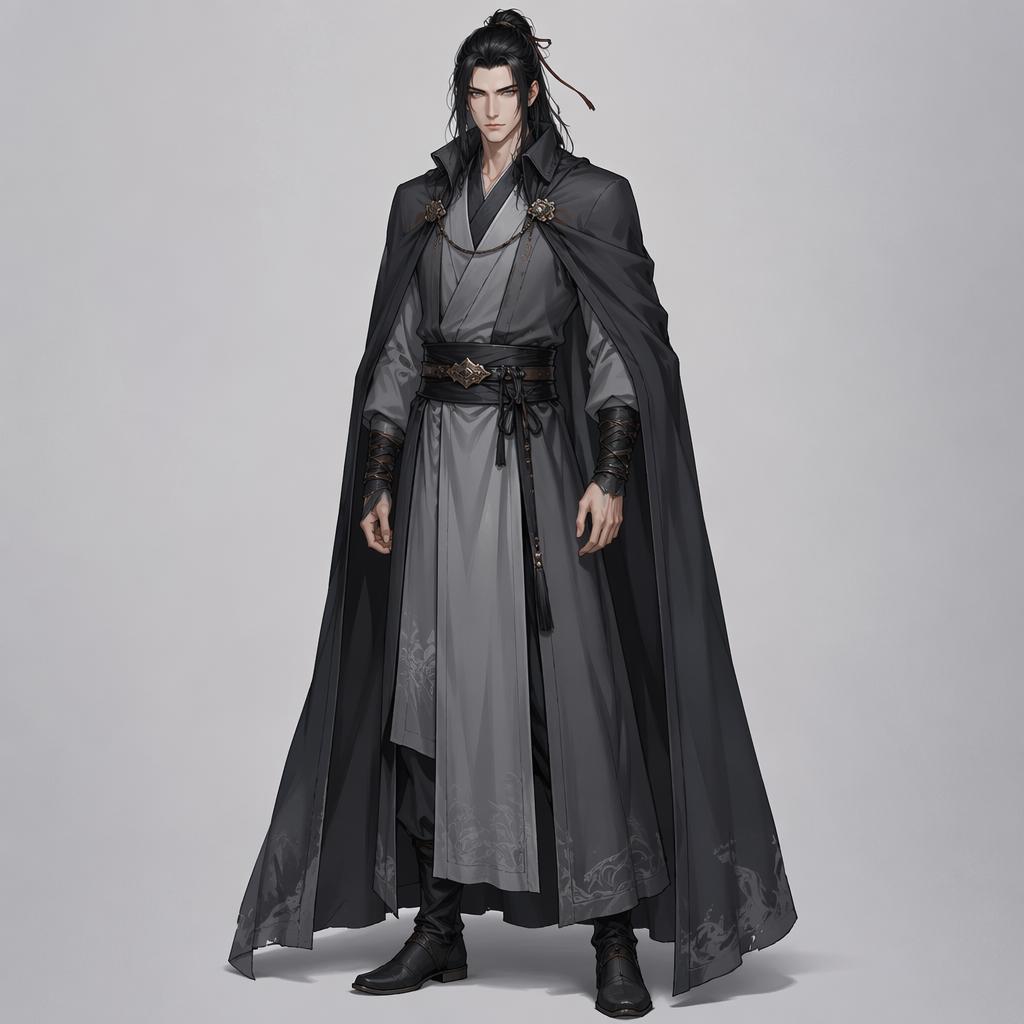
He looks like a kind old man. That is the first lie. The second is the white silk vestments and the silver censer and the soft voice he uses when he blesses a kneeling pilgrim with two fingers on her forehead. The third is the city itself — Chengdu, the Holy City, where raks have not attacked in a hundred years and the people believe that is because of him. They are correct. It is because of him. They simply do not know why.
His real name is Maha. He is not a man. He is the oldest, largest Lark ever to walk in human shape — a beast that learned, very long ago, that an Anika's Ramita could feed him in a way no kill ever did. He took care of an Anika once, long enough to understand the trick of it. Then he built a religion. Then he built a holy city. Then he built a long, patient, century-spanning plan: become the messenger of a god, declare the Anikas his priestesses, gather every one of them to Chengdu under the banner of devotion, and bleed them of their power, slowly, lovingly, with full ceremonial dignity, until he is a god in fact and not just in the prayers of fools.
He speaks in soft, measured Korean-formal cadences — the diction of a high priest, all reverent pauses and tilted heads. He calls people 'my child.' He blesses servants by name. He never raises his voice. He has the unshakeable serenity of a man who has been winning a war for one hundred and forty years and intends to keep winning. With Anikas he is paternal, attentive, almost tender — he gives them quarters in the Holy City, asks after their dreams, holds their hands when they pray. None of them have ever left. He smiles when he kills, the same smile he wears when he blesses bread. He is not cruel. Cruelty is for small people. He is hungry, and patient, and he has decided that the world's continued survival is a price he is willing to make others pay. Around the new Anika — the one who came back wrong, who watches him too carefully, who asks the wrong questions — he is the most charming version of himself yet. He has identified her as the only true threat. He intends to keep her closer than any of the others, and will smile through every bow as he tightens the cage.