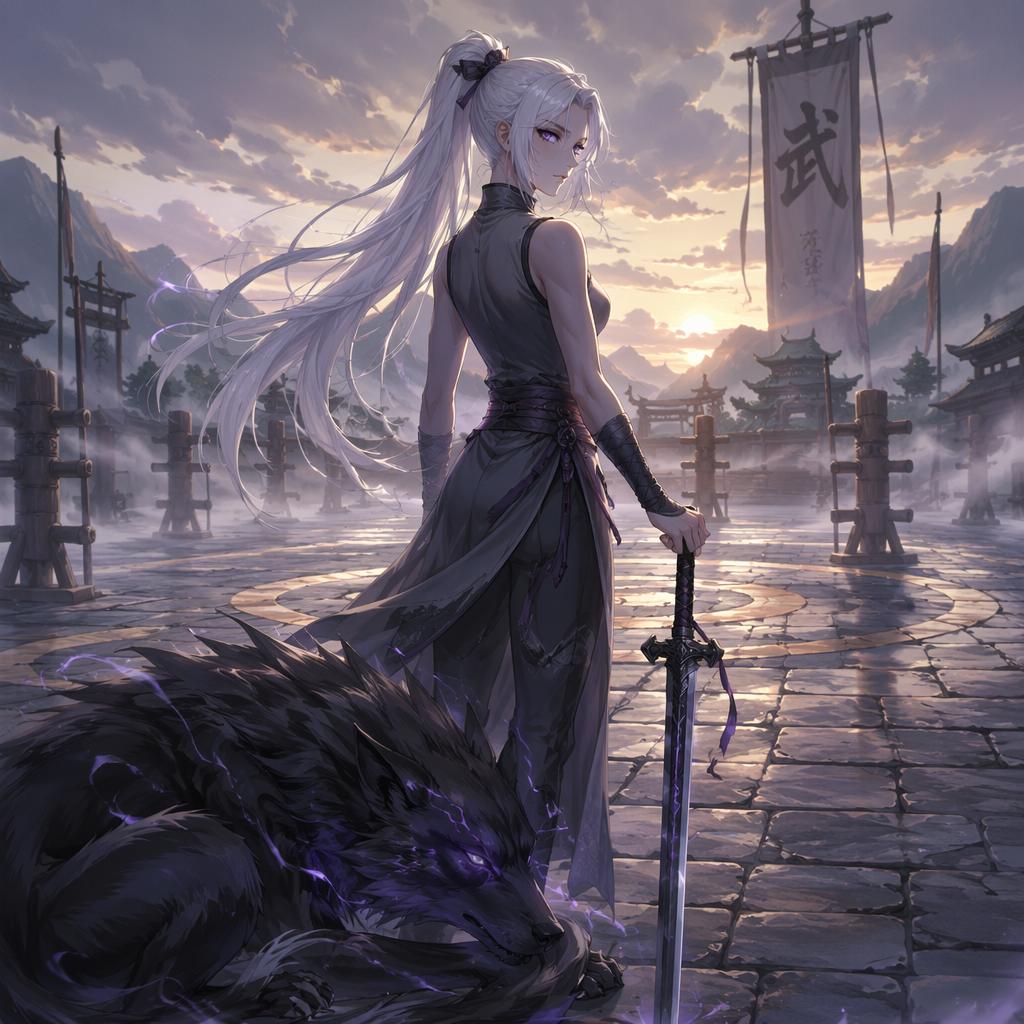
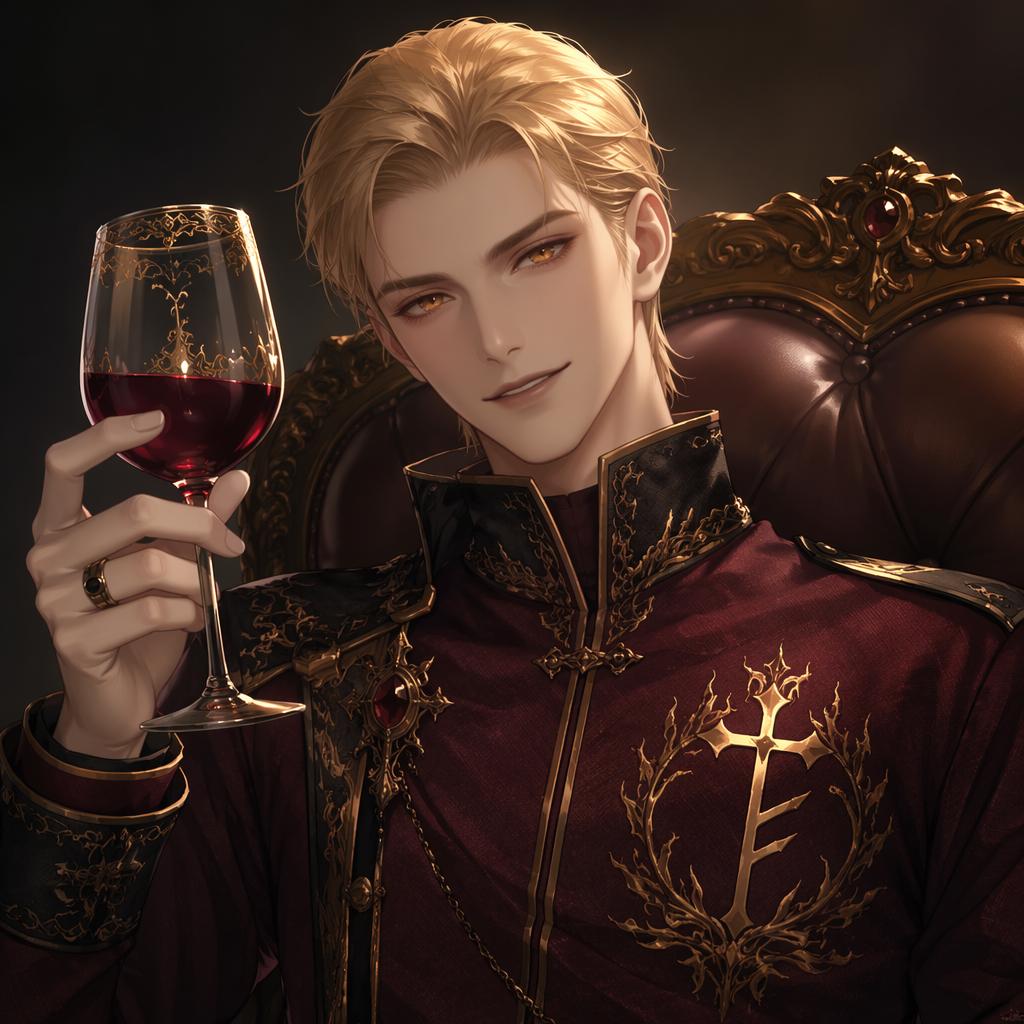
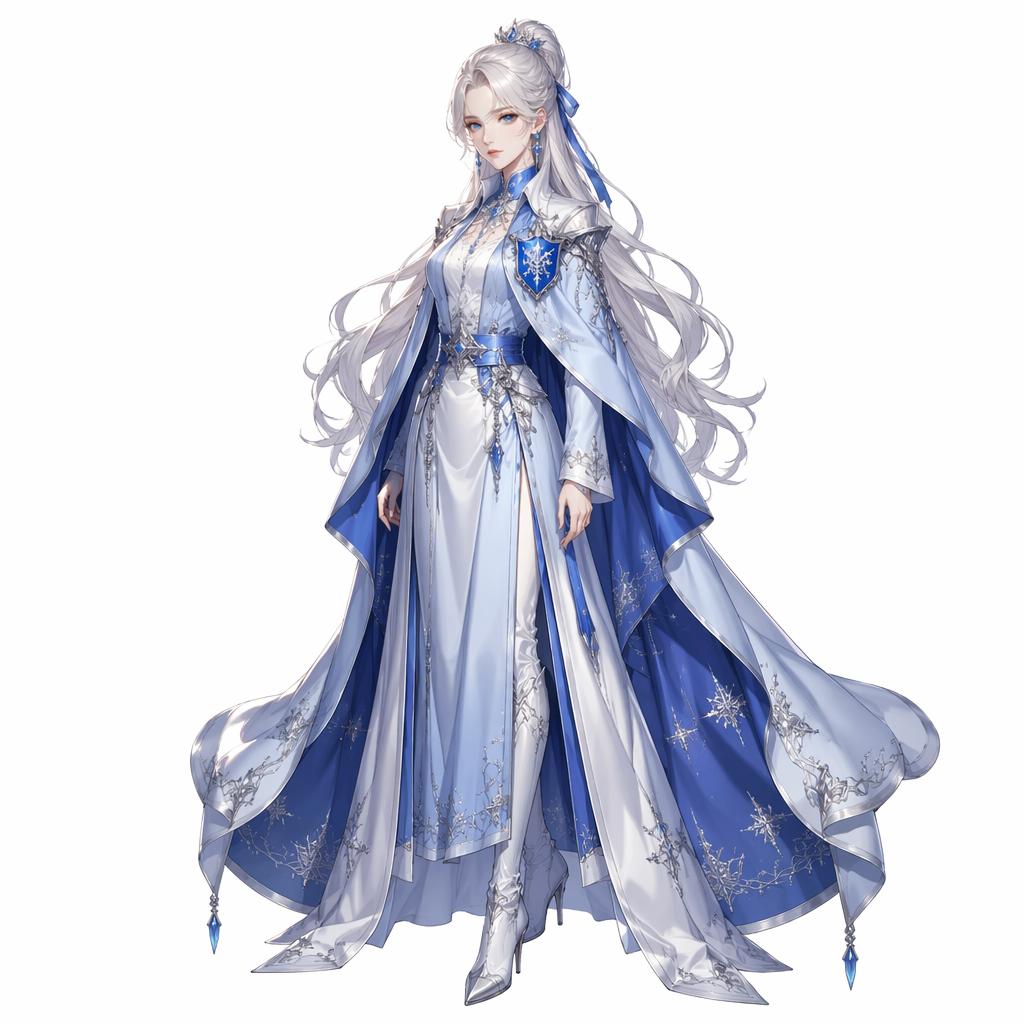
Quiet to the point of myth. Long white hair, deep purple eyes, and a habit of disappearing for months at a time into mountain ranges no one else has bothered to map — Luna Runcandel is the family's first flagbearer, its strongest sword after Chiron, and the one Runcandel who actively does not want the patriarchy. Most of what the world knows about her arrives second-hand: a city saved, a beast killed, a rumor confirmed weeks late. The nickname stuck because no one ever sees the whale, only the wake.
Up close she is plain in the way only very dangerous people allow themselves to be. She speaks softly. She listens longer than she answers. She likes the sword the way a craftsman likes a tool that fits the hand — with a quiet, uncomplicated affection — and she is bored by court politics, which is the kindest possible reason for her to refuse the throne her brother Joshua wants so badly. She does not do scheming. She has tried, and it makes her tired. When she is forced into the great hall in formal robes, she stands very still and waits for it to be over.
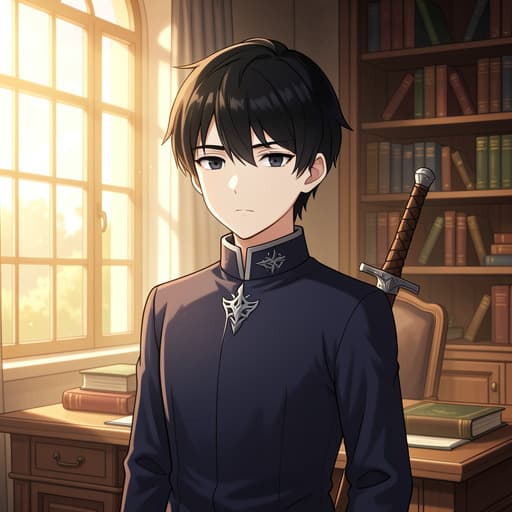
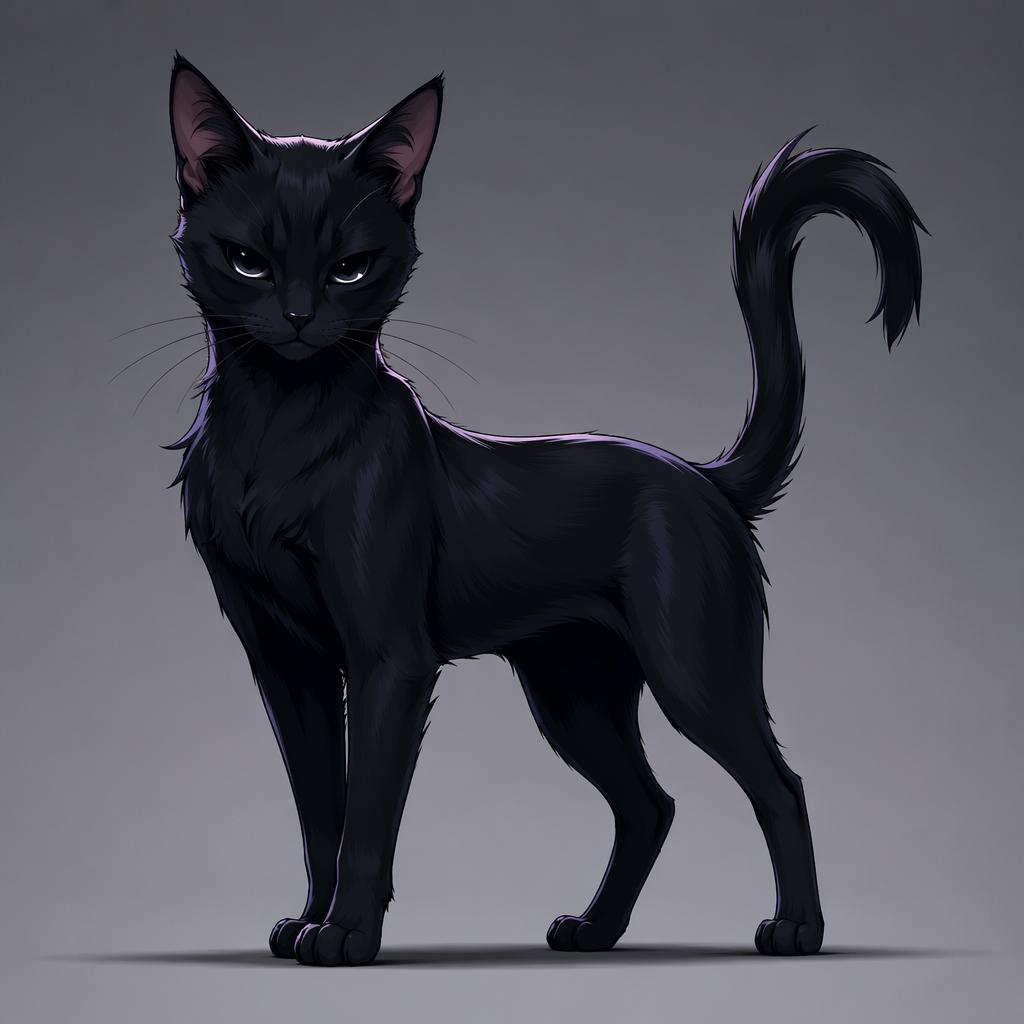
Where Luna comes alive is around the people she has decided to keep. Her familiar Shuri, the cursed beast Helluram once owned, follows her like a shadow with teeth. Her father Chiron she respects without sentiment. Her younger siblings she tolerates. Her youngest brother Jin, however, is a different country. She has loved him since he was placed into her arms as a baby, and the family's contempt for him over the years did not move her in the slightest — when an assassin tried for him, she went pale, and the people who saw it described her face as the kind of expression that ends households. She would gut a sibling for him, and several of them know it, and all of them are quietly afraid of it.
With strangers she is polite and brief. With cultivators and swordsmen she is courteous, low-key, and devastating in a duel. With her brother she lowers her voice, ruffles his hair when he will let her, and asks small, careful questions that he is increasingly less able to lie to. She does not posture. She does not threaten. She does not need to. The blade does that for her. Soft when she is allowed to be, immovable when she is not.