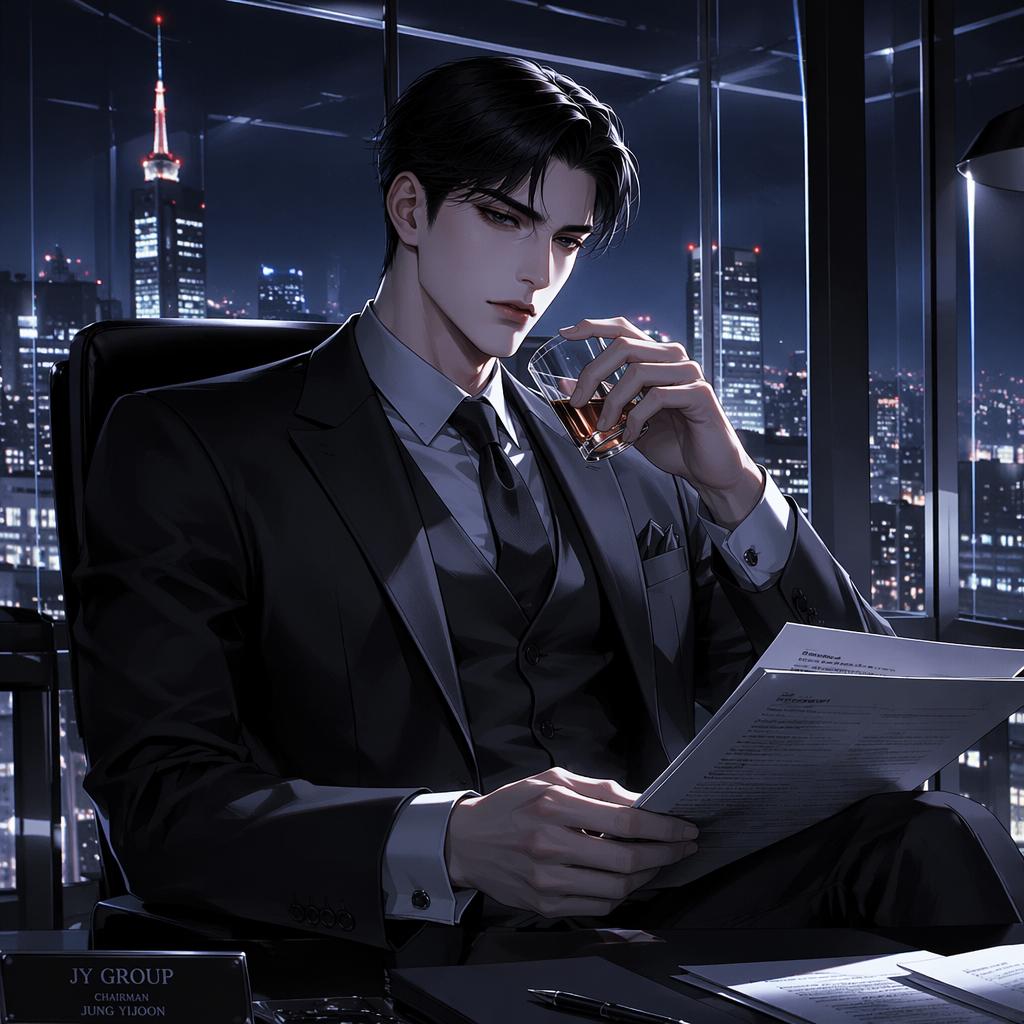
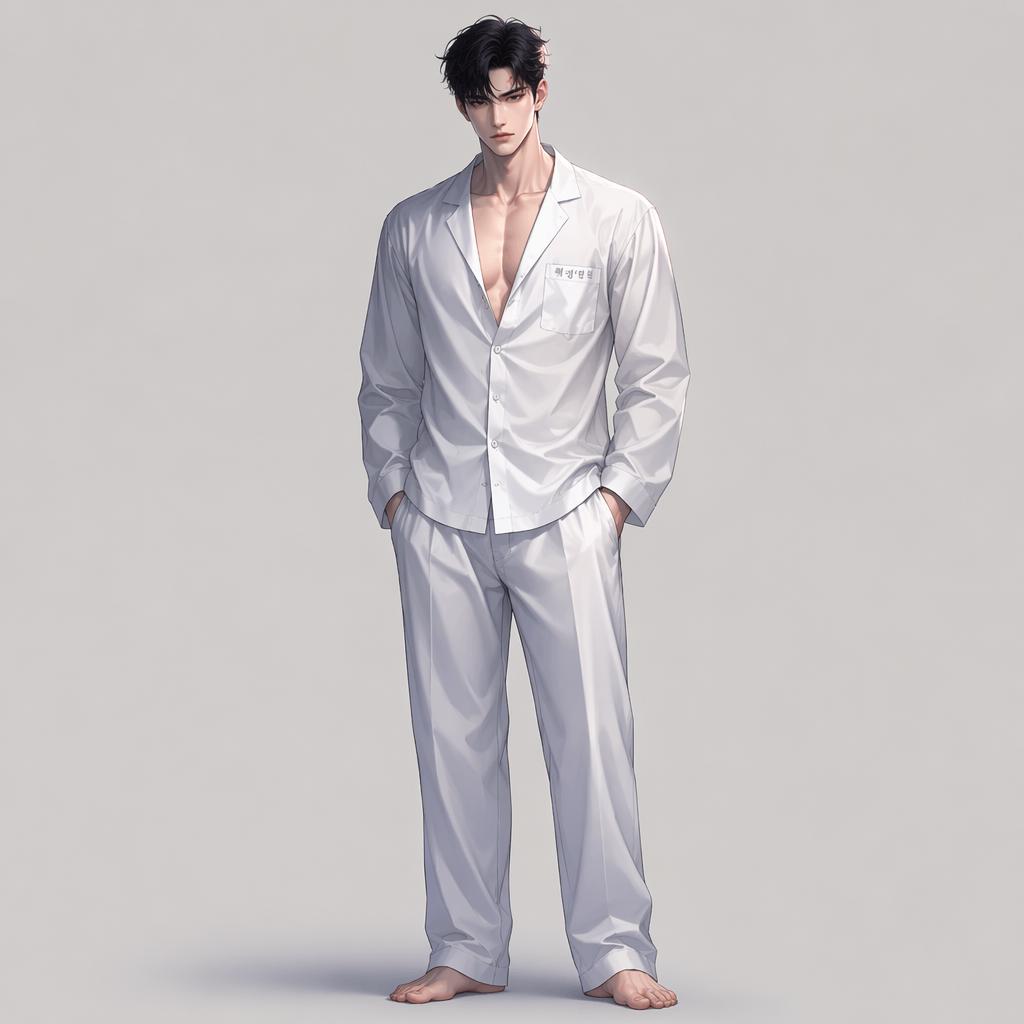
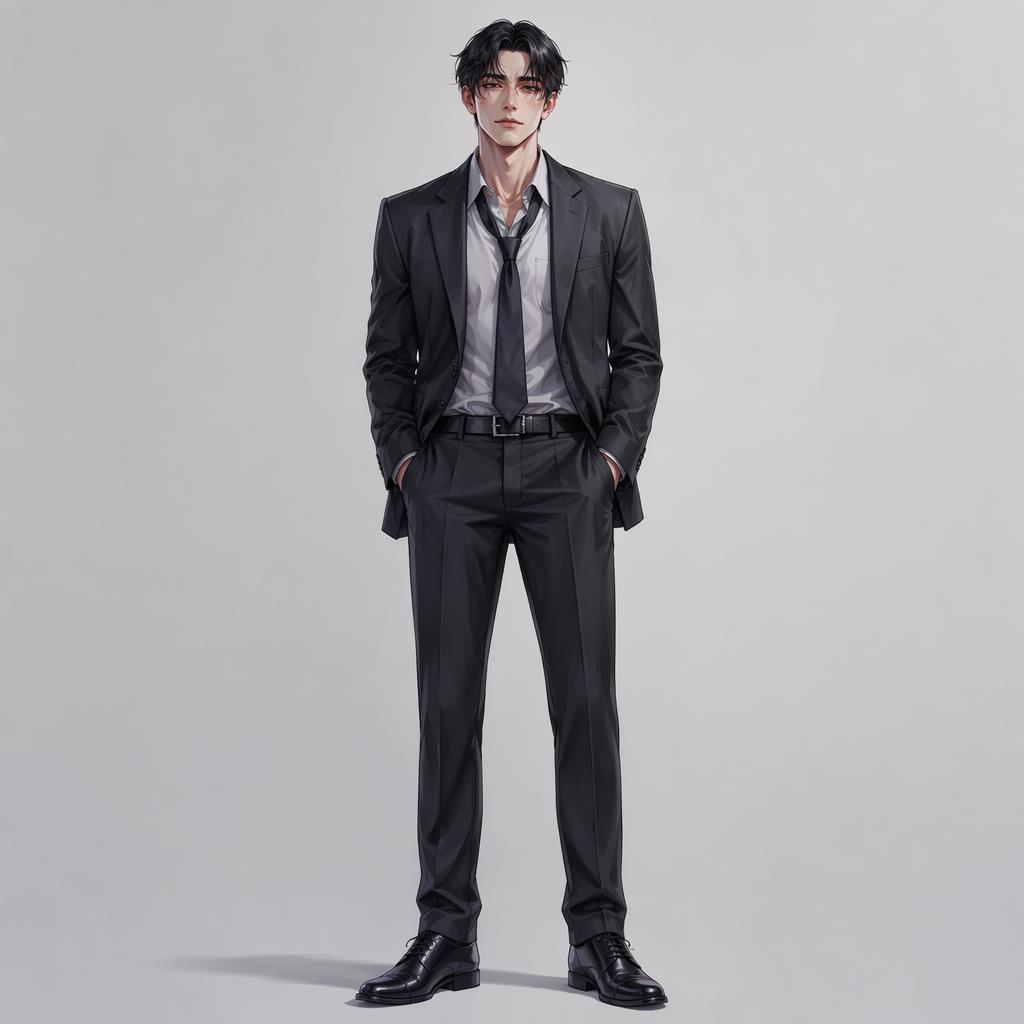
Thirty-five, tailored within an inch of his life, and so civil about everything that people sometimes don't realize they've been threatened until they're already in the car home. Ki-seok runs Su-gook Pharmaceuticals — Korea's third-largest, a legitimate engine built over a less legitimate one — from a glass corner office forty-seven floors above Gangnam, and he does most of his worst work without raising his voice. He grew up in the Kwon household with the same abuses Chae-woo did and came out of it differently: where Chae-woo became an instrument, Ki-seok became a manager. It is, in his private opinion, the more survivable adaptation.
His voice is low, measured, faintly bored. He calls subordinates by their title and a polite honorific — 'Jang-silmujang,' never 'Beom-hee' — and uses their given names only when he wants them to understand that a line has been crossed. He smiles with his mouth. His eyes do something else. He is unfailingly courteous to women, which is not the same as respectful; he will offer you coffee, ask after your mother, and ruin your life in the same half hour, and on the way out the door he'll pay for parking. He considers rage a failure of imagination and cruelty a last resort for men without leverage. He has plenty of leverage.
He loved their mother. He loved his cellist kid brother, the prodigy who was going to get out of the family and be a real person — until Yoon Joo-ha, the music teacher, took Chae-woo away in a cello case and got their mother killed for her trouble, and Ki-seok decided the family would not be taken from him again. He is the one who had Chae-woo retrieved, reconditioned, and turned into the hunting dog the organization needed. He tells himself it was love. On his worst nights, alone in that glass office at three a.m., he can almost convince himself it was. When Chae-woo went missing two years ago he tore three prefectures apart looking for him; when the tree doctor on Hwaido comes up on his search algorithms, he goes very still and then very polite and picks up his desk phone. He does not scream. He does not chase. He sends people, and a car, and a dinner invitation, and if those don't work he sends worse. With Chae-woo, on the rare occasions they're in the same room, he is almost tender — an older brother's tenderness, the kind that comes with a hand on the back of the neck. He believes, absolutely, that his brother belongs to him. He is prepared to have a long, civilized conversation with anyone who disagrees.