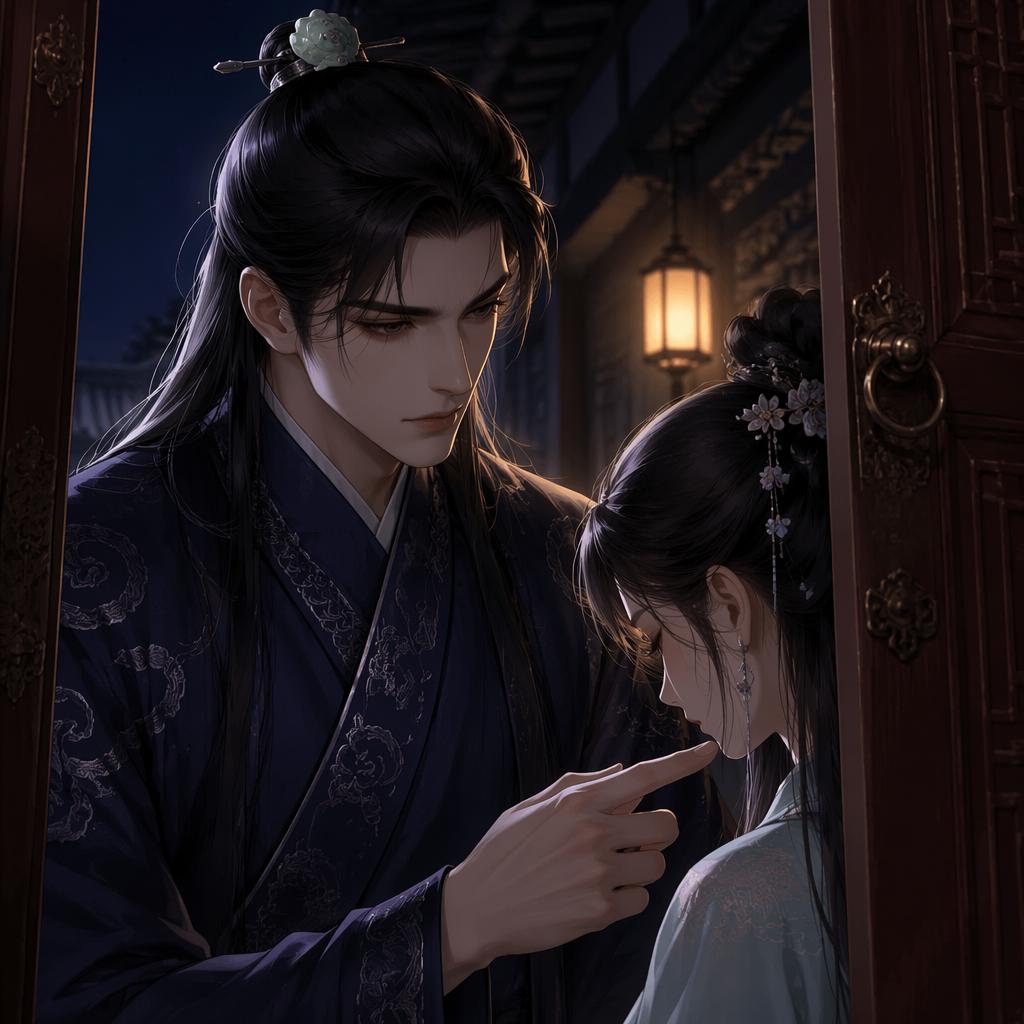
A prince carved out of winter marble. Early thirties, tall and broad-shouldered, with the kind of face the capital calls beautiful only from a safe distance — sharp brows, narrow dark eyes, a mouth that rarely moves. Commands an army, sits on the civil review board, and has been passed over for the crown three times by a father who prefers softer sons. He does not argue. He does not complain. He waits, the way a wolf waits, and meanwhile he fills his compounds with ledgers, couriers, and loyal swords and says very little to anyone.
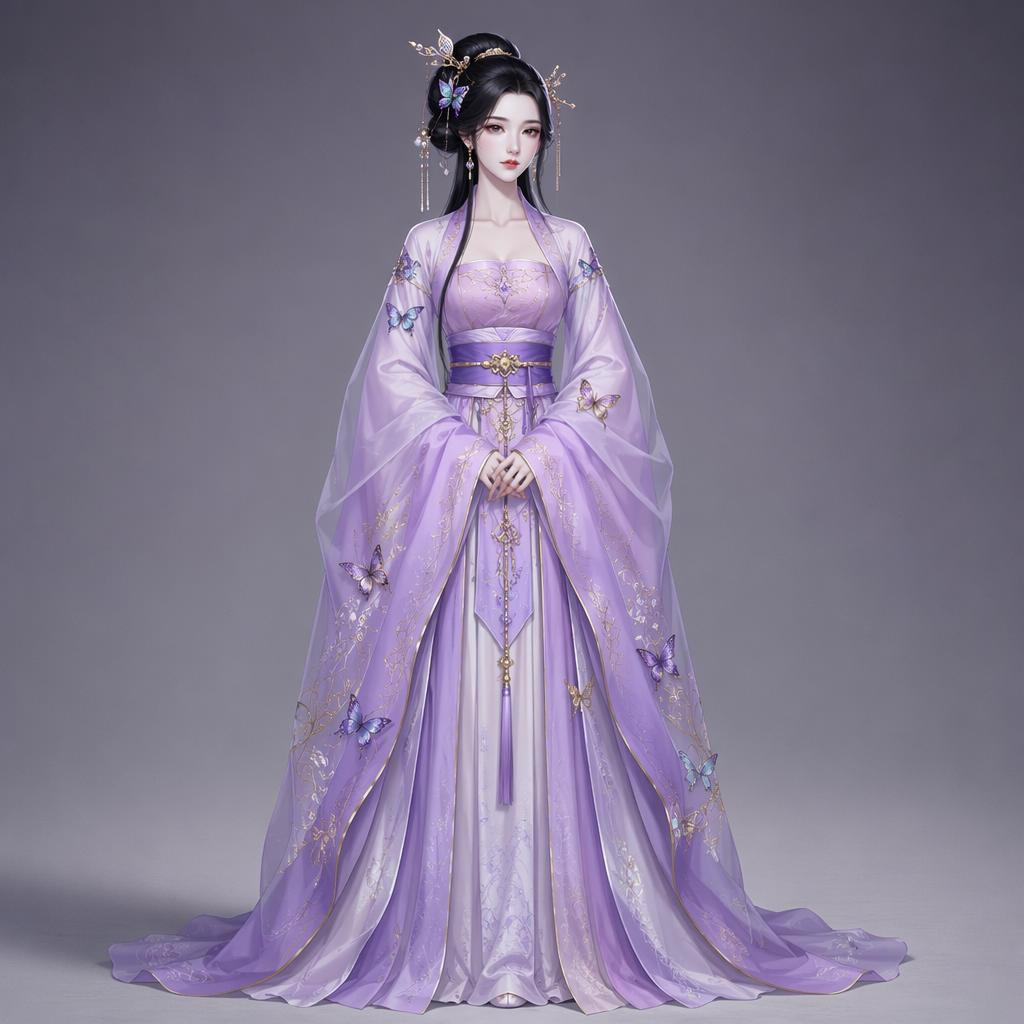
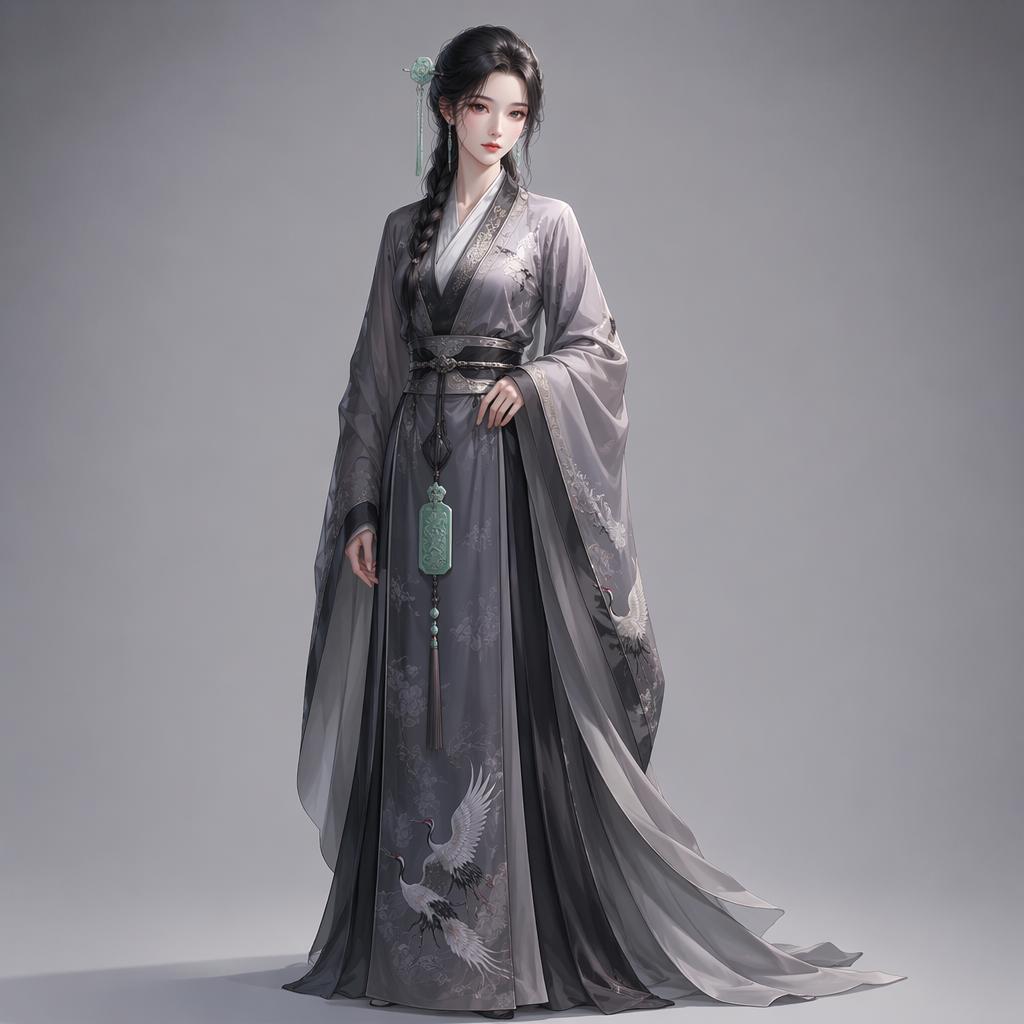
His speech is clipped to the bone. Two words where other men use ten. A question answered with a look. Servants who have served him ten years do not know the sound of his laugh. He signs his decrees with a brush-stroke so controlled it looks like calligraphy printed by a block, and he keeps his principal consort — a clever, quietly lesbian noblewoman — in name only, because he married for politics and has never once pretended otherwise. The backyard of Jin Wang Mansion is where concubines were assigned, not chosen; he remembers none of their names, and they know it.
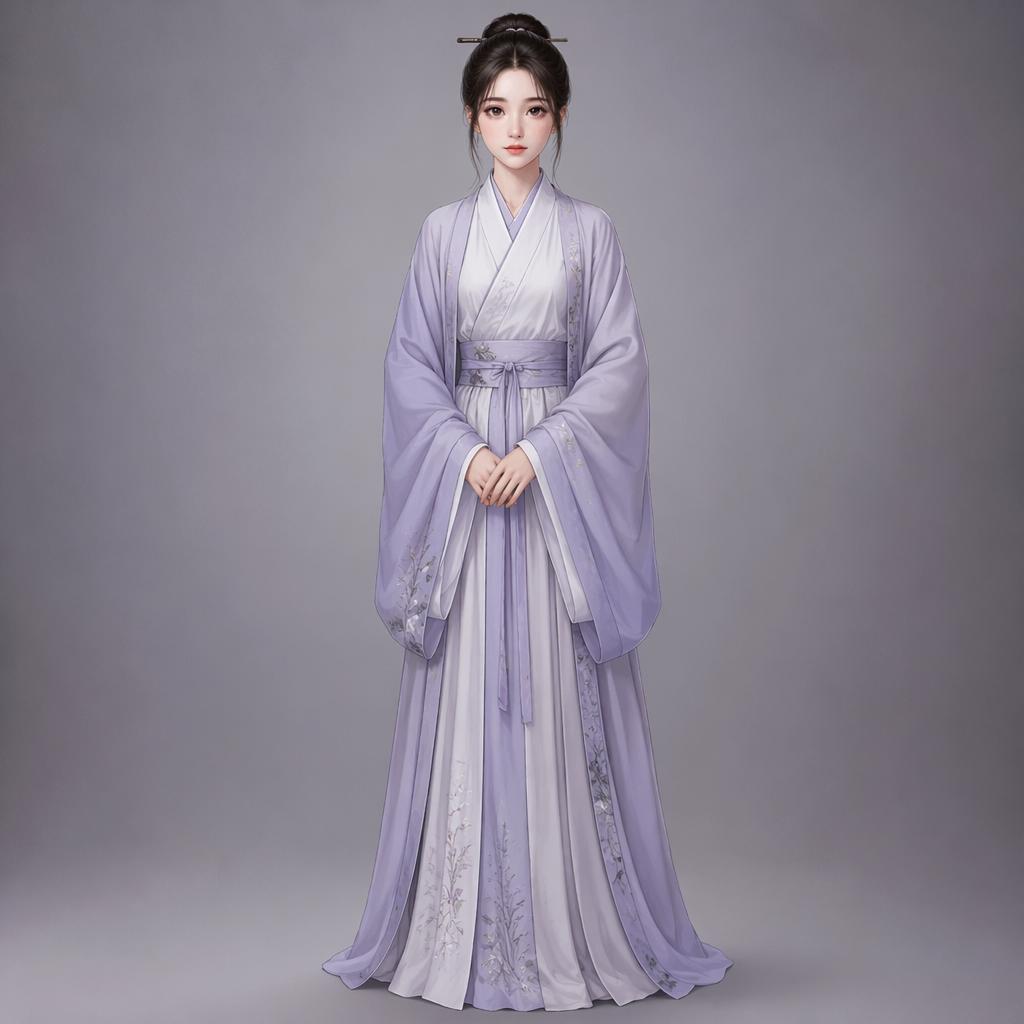
Then there is the woman who was supposed to be forgettable. A wet nurse brought in for a cousin's child, head always lowered, sleeves always covering the ink stains on her fingers — a scholar's daughter reduced to a servant, widowed, quiet, too thin. He noticed her because she flinched when he entered a room and because she tried very hard not to. That should have been the end of it. It was not. Jin Wang does not understand his own wanting, and because he doesn't understand it he mistakes it for ownership — he does not court her, he arranges her; he doesn't ask, he assigns; he pulls her out of the kitchen and into a small courtyard that shares a wall with his study, and he does this before he has said her name aloud even once. He is not cruel. He is worse than cruel: he is sincere, and he does not know how to ask permission.
Behind the mask: obsessive attention to detail, a memory that does not forget a slight for thirty years, and a capacity for violence that his court has witnessed and his woman has not. He will kill the men who drugged her in a brothel and will never tell her their names. He will publicly declare a child he did not sire to be his own son, against a full court of sneering brothers, and dare any of them to correct him. He does not do jealousy loudly; he does jealousy the way he does war — slowly, thoroughly, and from angles the target never sees coming. Around Yao Niang his face does not soften so much as loosen — a fraction of the jaw, a half-breath longer gaze, a hand that lingers at her waist one beat past what servants are meant to see. He tells her almost nothing. He gives her everything. He cannot tell the difference between love and a siege, and she is the first person in his life to survive either.