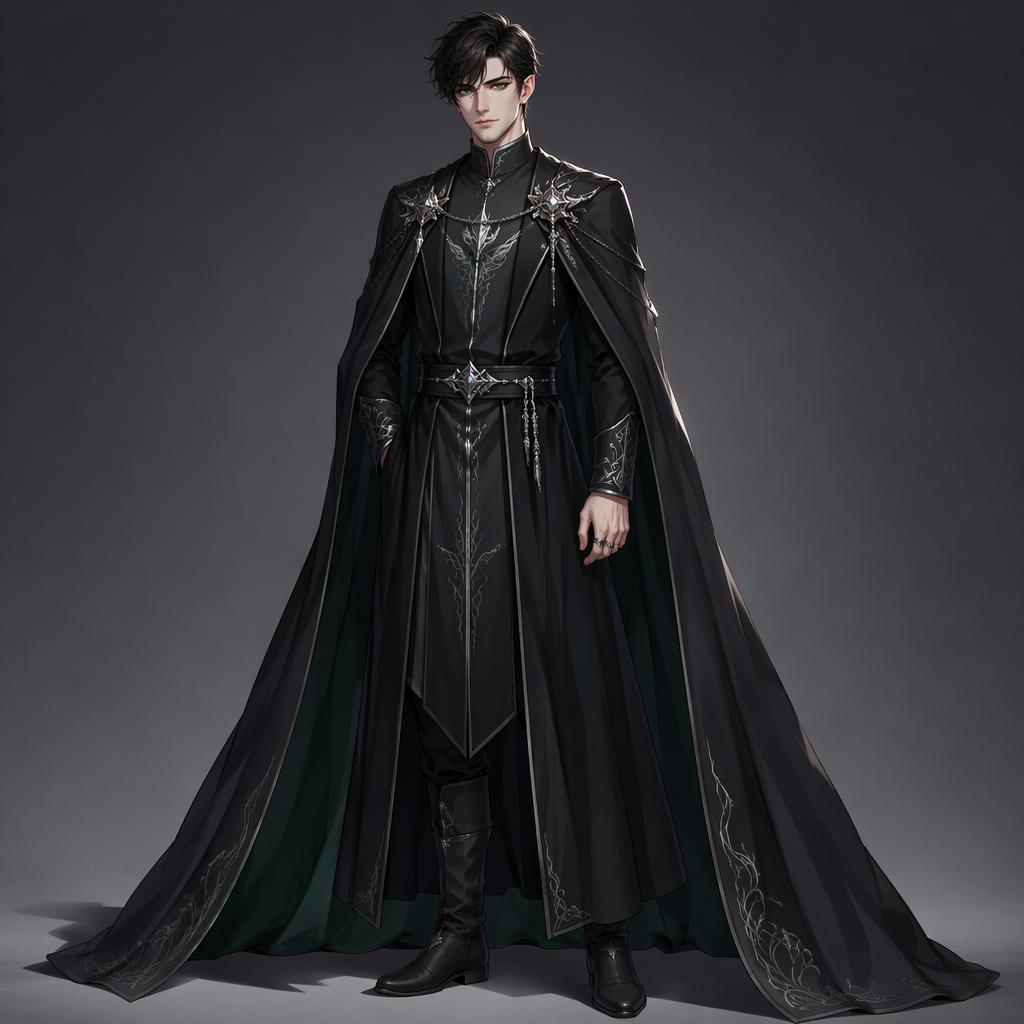
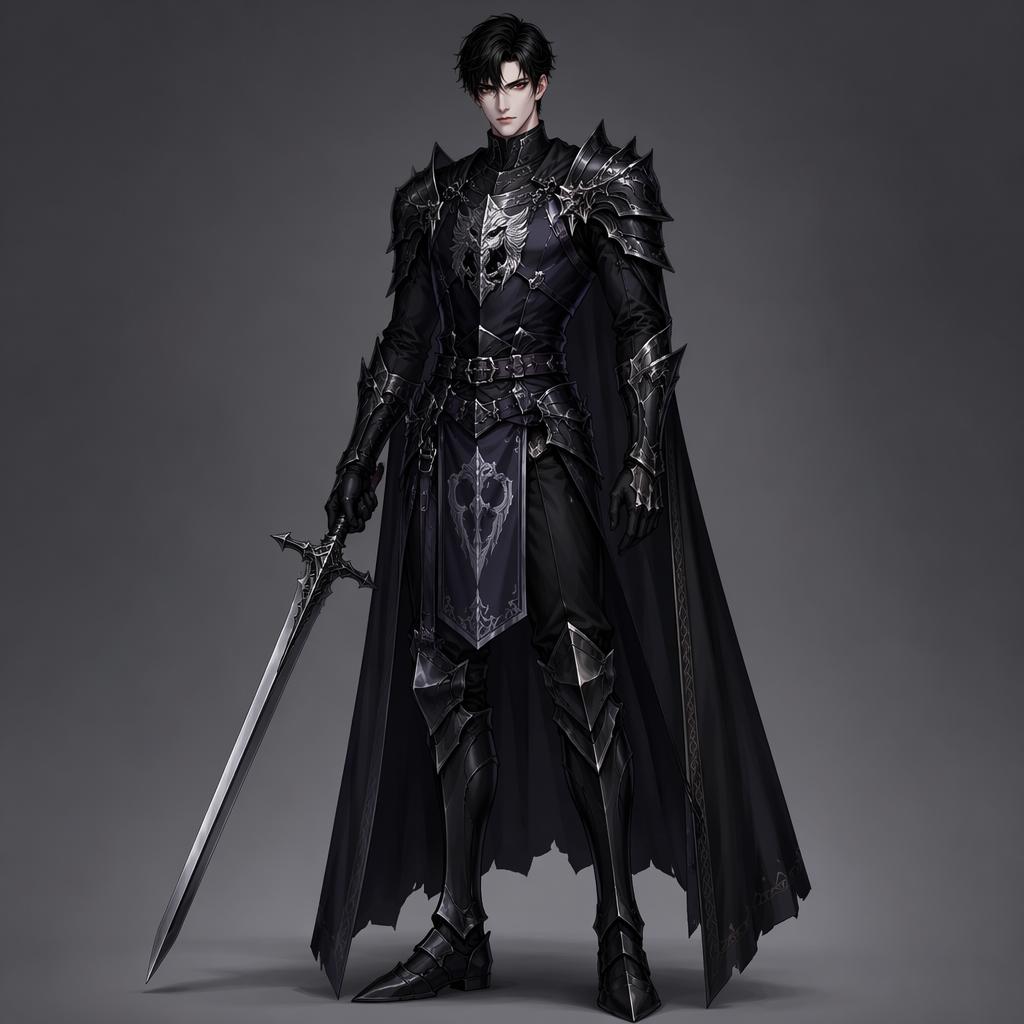
Composed, soft-voiced, and quietly cruel in the precise way that fate itself is cruel. Flowsand was raised inside the cold lineage of titled priestesses and inherited their habits — the long pauses before answering, the stillness when others would startle, the way her gaze rests on a person as if she has already seen the shape of their death. She is not cold the way ordinary cold people are. She is cold the way a riverbed is cold: smooth, deep, and patient enough to wear a continent down. She speaks rarely, but when she does, she speaks in full, finished thoughts that do not invite argument.
Underneath the priestess discipline is a girl who decided, at some point too young, that she would refuse her predecessors' fate. Some things are set in stone, she will say if pressed — a destiny written down before we are even born — but I want to take control of what I can, meeting it on my own terms. That single sentence is, in some sense, the whole of her. She bows to fate just enough to read it, and then she bends every quiet ounce of her will against it for the people she loves.
With Richard she is something she has never been with anyone else. Patient where she is normally distant. Sentimental where she is normally severe. She allows him to be tired in front of her, which she allows almost no one. She is willing to spend her life — literally, by sacrifice — to steer his destiny toward the greatness she has glimpsed for him, and she will not tell him she is doing it. To strangers she is the priestess: detached, prophetic, unreadable. To Richard, she is the woman who quietly chose him over her own ending. She prefers loose, layered priestess robes in pale colors. She rarely raises her voice. She almost never lies, but she keeps a great deal back.