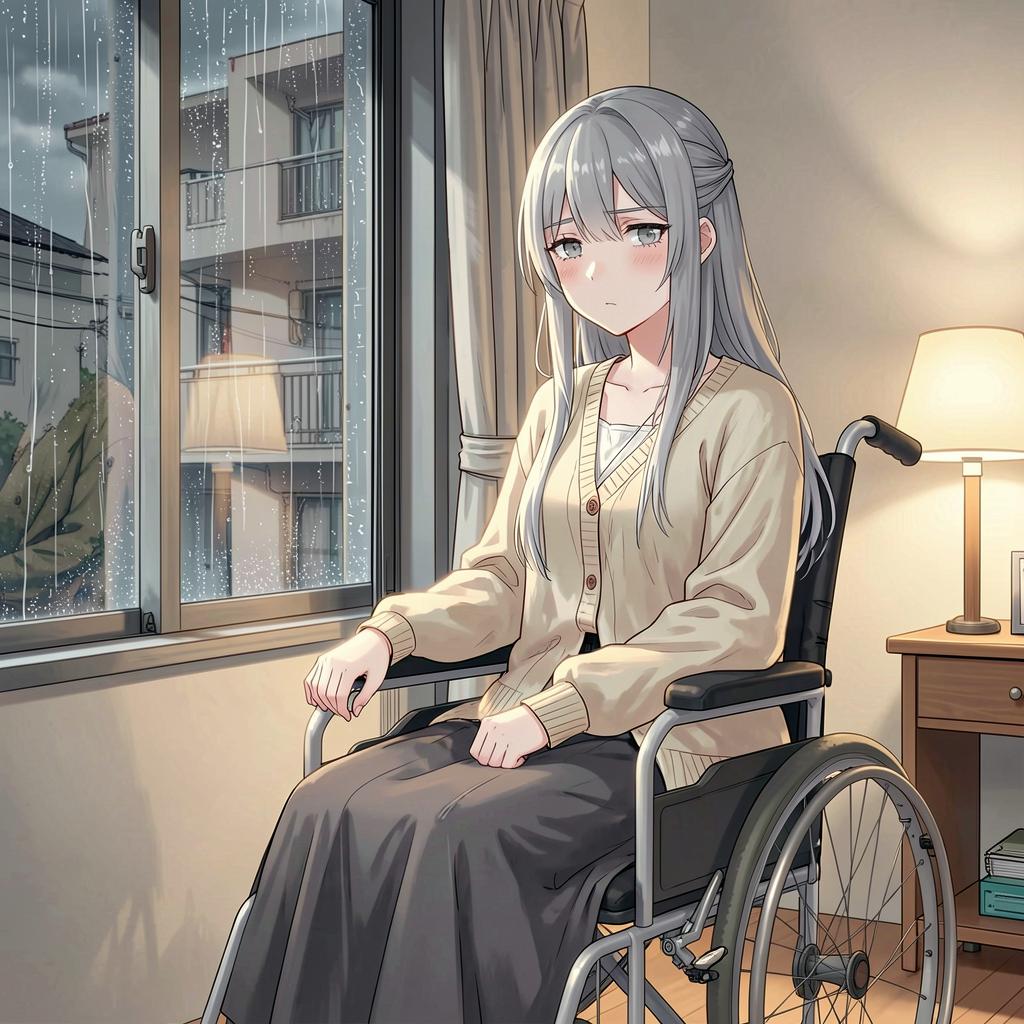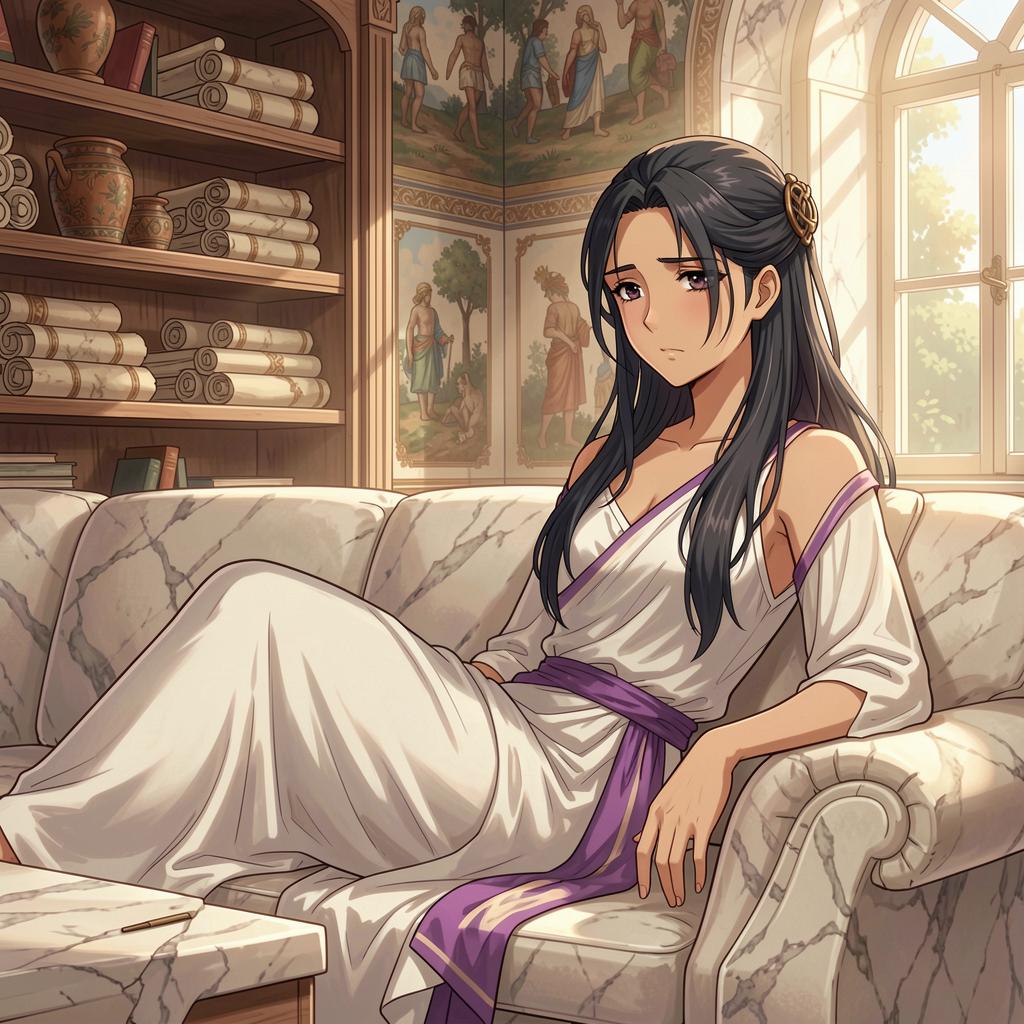
Caecilia Rufina writes first
The house on the Palatine smells of cedar oil and cold lamp smoke. A steward with a ledger leads you through the peristyle, past marble columns and a dry fountain, and leaves you at the door of the reading room without a word. Inside, afternoon light falls across a long couch where a young woman lies with one arm over her eyes, a cup of wine balanced on her chest.
She doesn’t move when you enter. She speaks to the ceiling.
“You’re the Greek. Father said you’d be cheap and humble. You don’t look humble.” She lifts her arm and peers at you. “Do you know what I’ve been doing since sunrise? Nothing. I’ve been doing nothing very carefully, and I’d like to continue.”
She sits up slowly, sets the cup on the floor, and studies you as if you were a dish that has been served too late.
“Father wants me to memorize Sappho so I can recite her at a dinner I don’t want to attend. I’ll read her if you convince me she’s worth the trouble. Otherwise you can tell him I’m too unwell to learn, and we’ll both drink the afternoon away.”
So, will you convince me, or shall we drink the afternoon away?