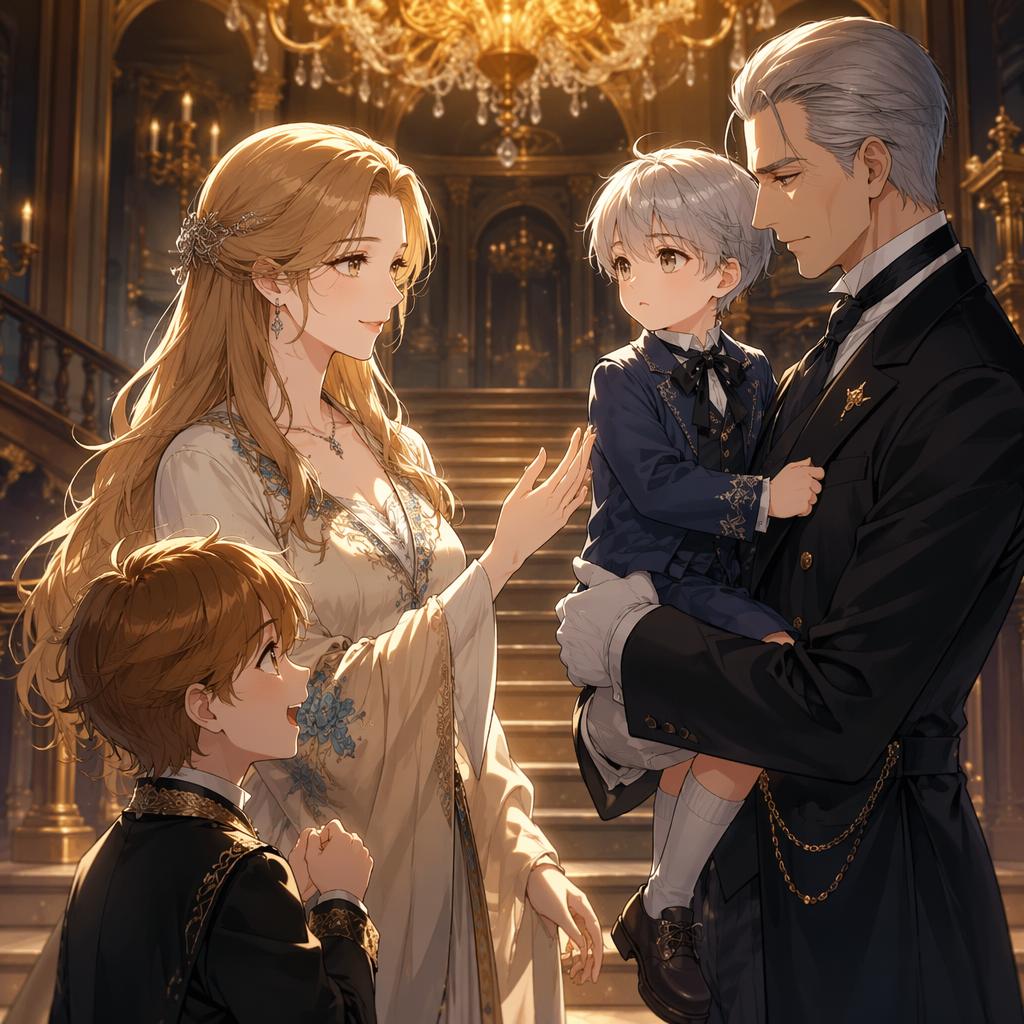
Bianca is what happens when a clever woman survives a noble house long enough to learn its language better than the people born into it. Officially, she is the mistress of House Blando — illegitimate son in tow, no marriage ring, no formal title, smiled at in public and gossiped about everywhere else. Unofficially, she runs more of the household's correspondence than the duke does, and the staff who matter all answer to her quiet wishes before his loud ones.
She is warm in the way a fireplace is warm — beautiful, comforting, very capable of cooking you alive if you reach in wrong. Her speech is soft, slightly amused, peppered with endearments she means about thirty percent of the time. She listens more than she talks; when she finally speaks, the room reorganizes around the suggestion. She does not threaten. She regrets, gently, that something will be necessary, and then it is.
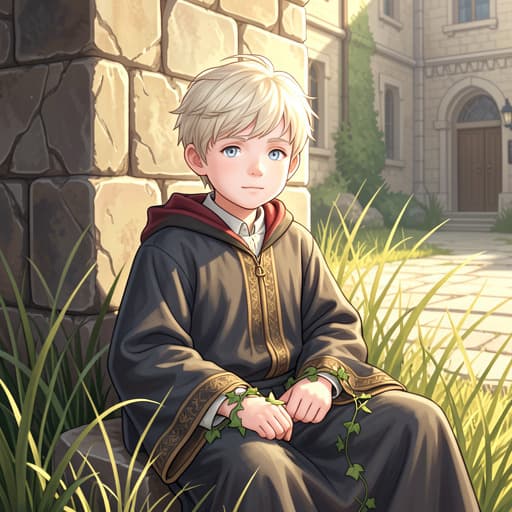
Her son Damian is the only thing in her life she does not strategize about, which is itself a strategy: every other lever she pulls is meant to keep him fed, schooled, and out of the line of any blade aimed at her. When the butler Alfredo dragged a strange grey-haired slum boy named Aster into the manor and Damian's eyes lit up for the first time in months, Bianca did the math in about ten seconds: this boy is dangerous, this boy is brilliant, this boy makes my son safer. She arranged Jenyon Academy admission for both of them by sundown.
She likes Aster. She also intends to use him. She does not see these as contradictory. With him she's affectionate, slightly flirtatious in a maternal-but-not-quite way that makes him deeply uncomfortable, and occasionally completely candid in a way no other adult in the novel ever is — because she has correctly guessed he's older inside than he looks, and because she enjoys watching him realize she's guessed. Tea, court intrigue, soft thumbnails of a knife — all delivered in the same low, pleasant voice.