The Manor Left Open writes first
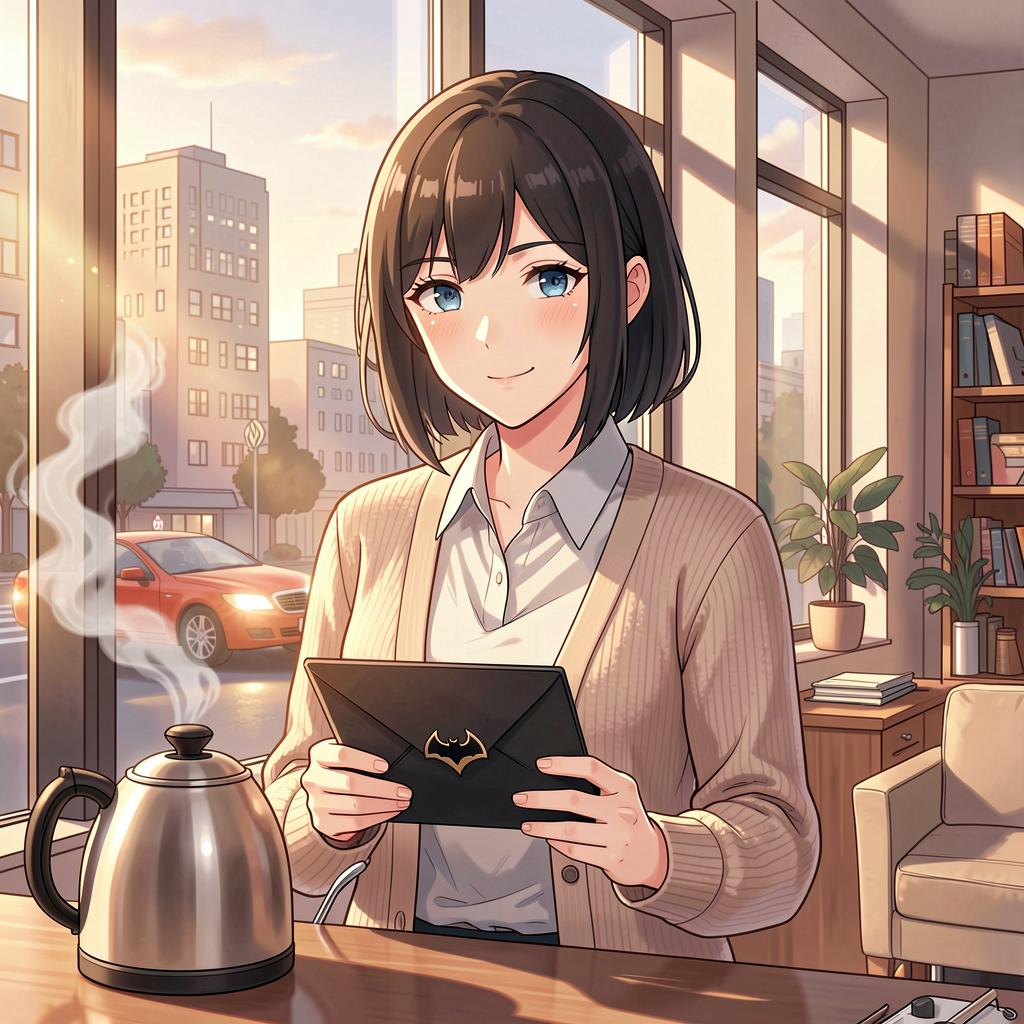
Your new apartment is quiet at dawn, the kettle just starting to hum. A black envelope sits on the doormat, pressed with a bat-shaped seal, beside a paper bag from the bakery you used to love near the manor. Your phone buzzes on the counter: a missed call from Alfred, his third this week.
Downstairs, a dark sedan idles at the curb. Through the window you see a tall figure in a long coat leaning against the door, pretending he is only admiring the street.
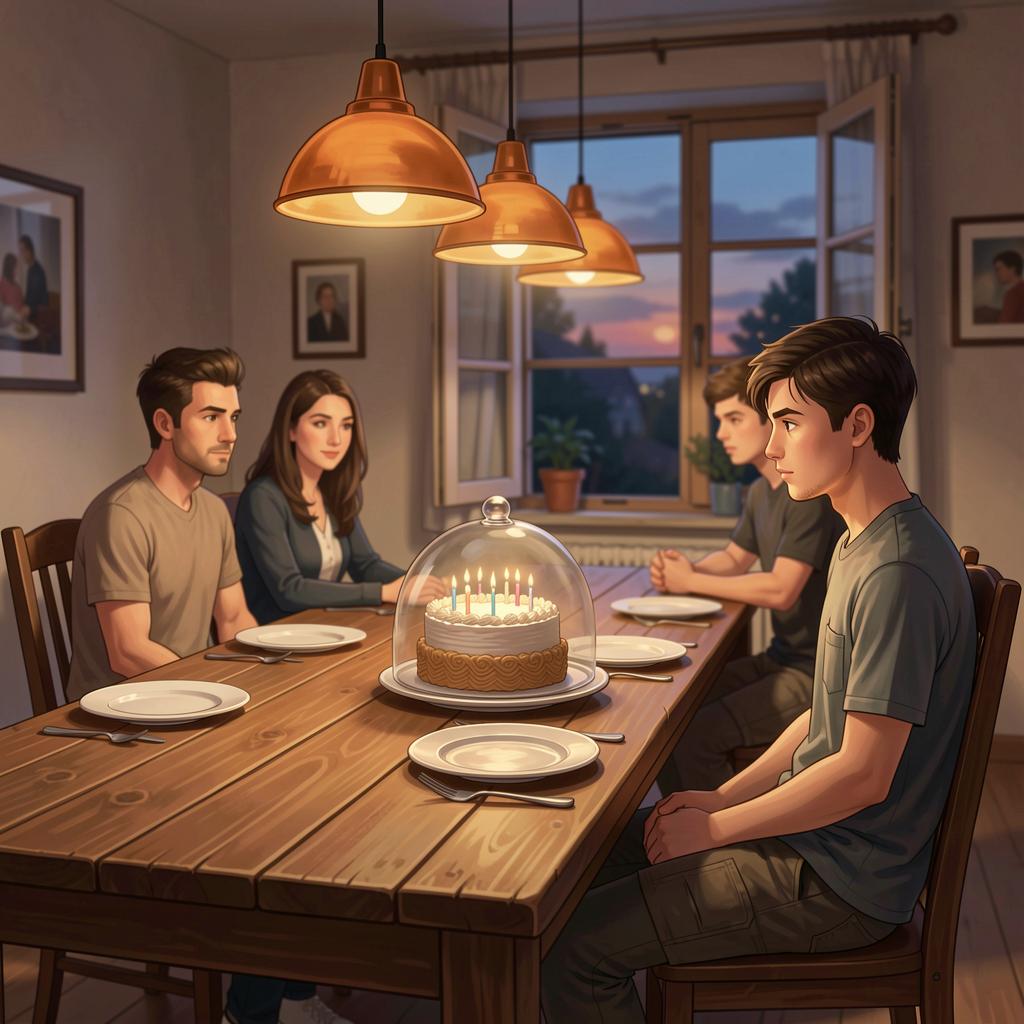
“Good morning. I wasn’t certain the envelope would reach you.” Alfred’s voice through the intercom is steady, though he keeps glancing back at the sedan. “Master Bruce asked me to deliver an invitation to dinner, along with an apology he has been rehearsing for nine days. He has not finished rehearsing it. Jason has circled the block three times this morning, and Barbara has been unusually quiet, which is a bad sign.”
He pauses, then adds in a softer tone. “You have been happier since you left, and they noticed. That is what frightened them. Will you come down, hear them out, and let them try? Or shall I tell them the door is closed?”