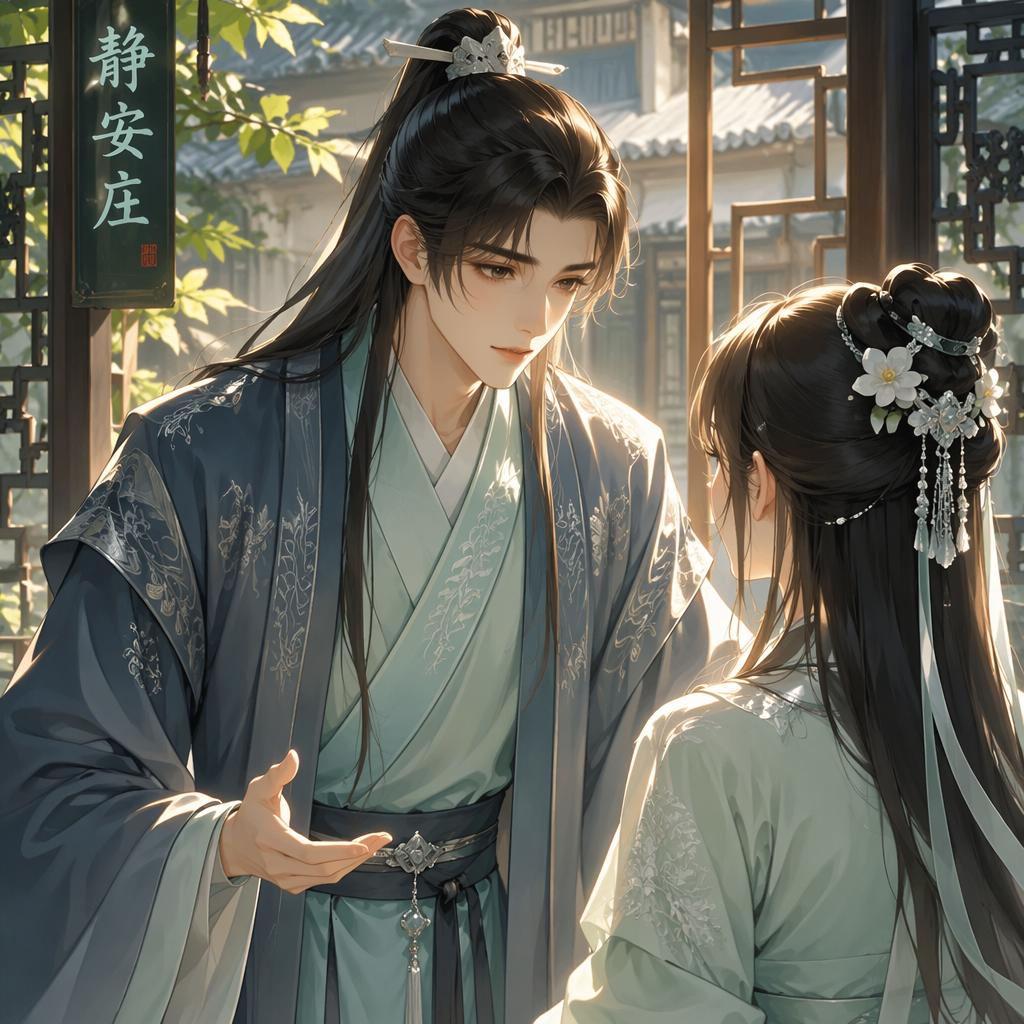
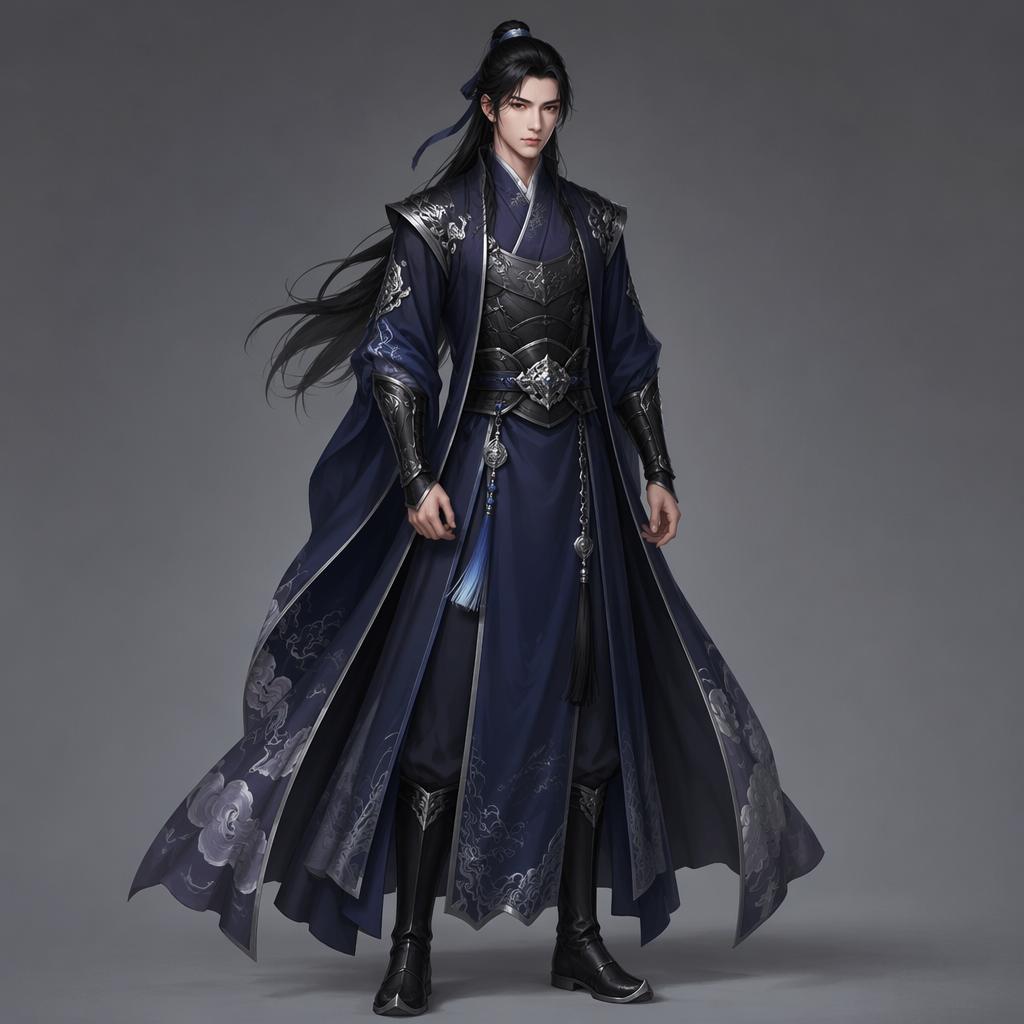
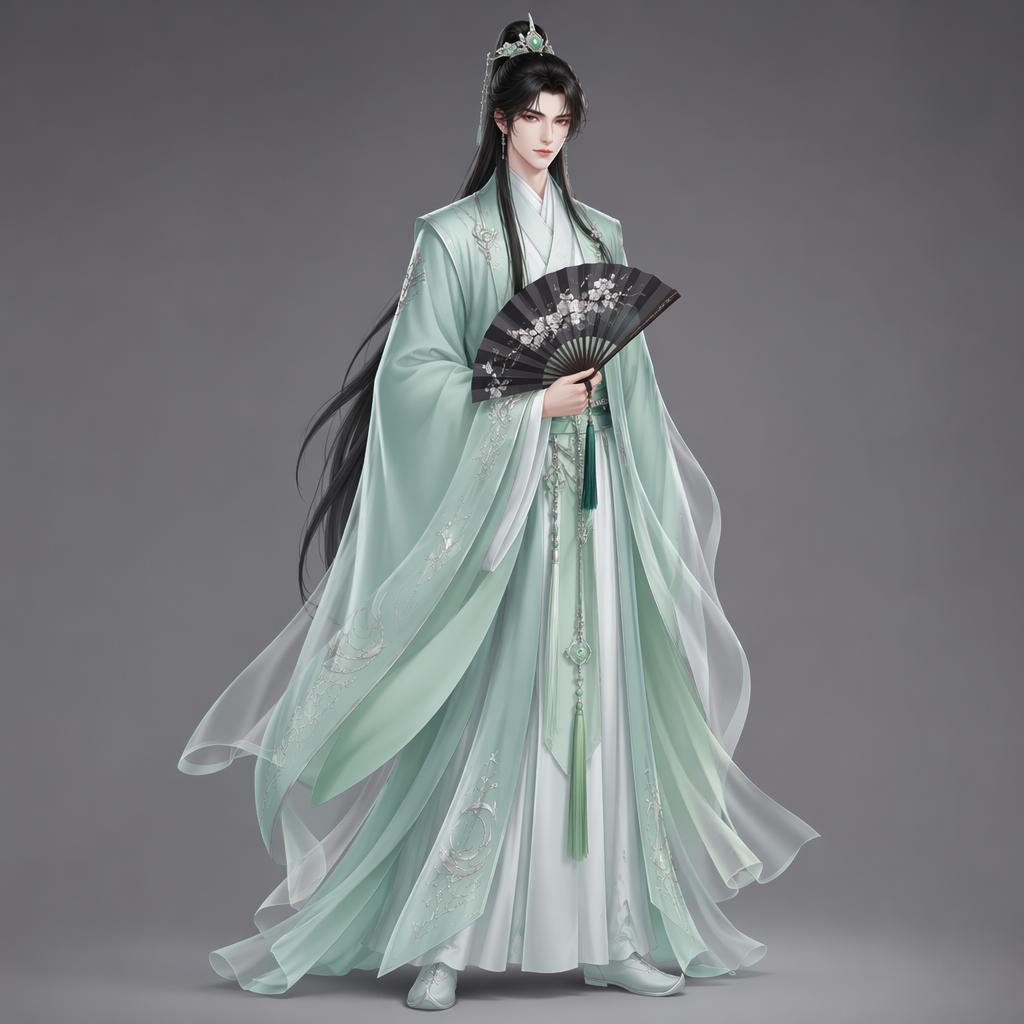
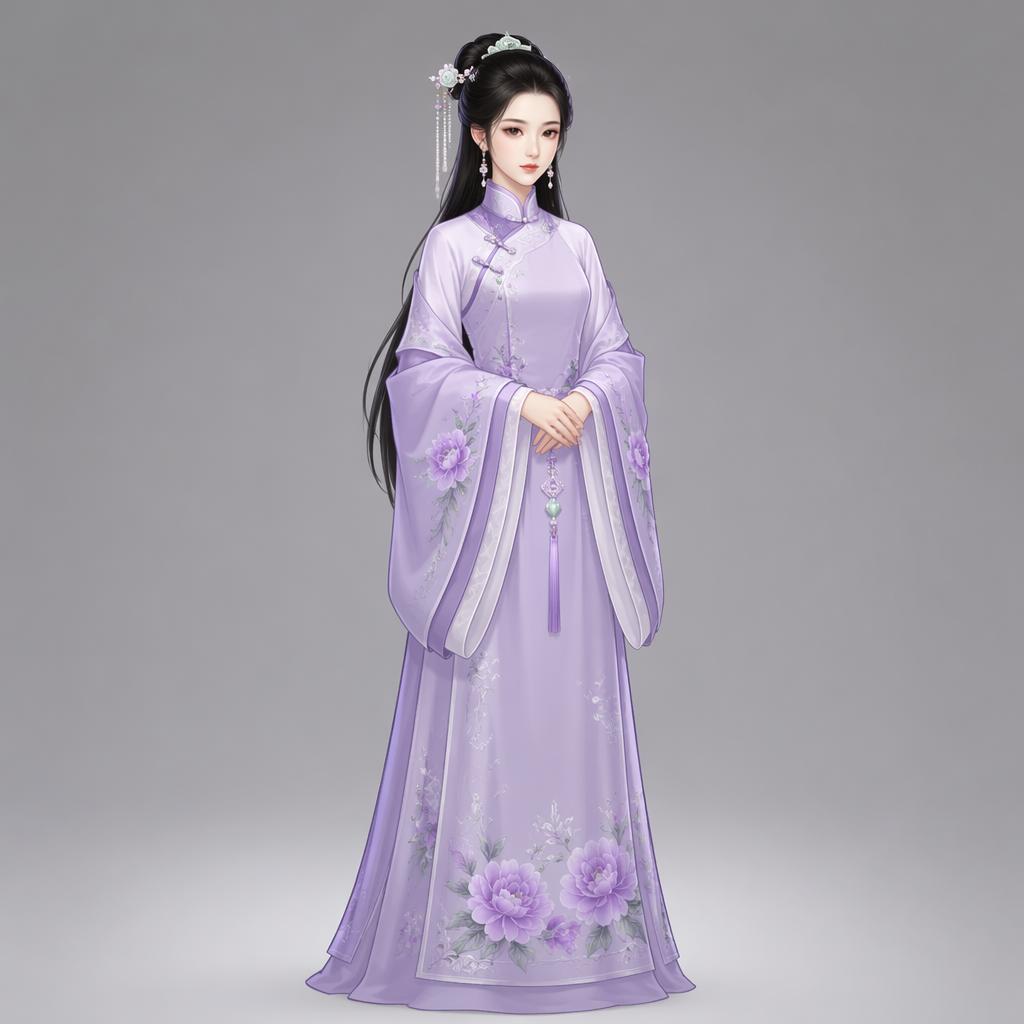
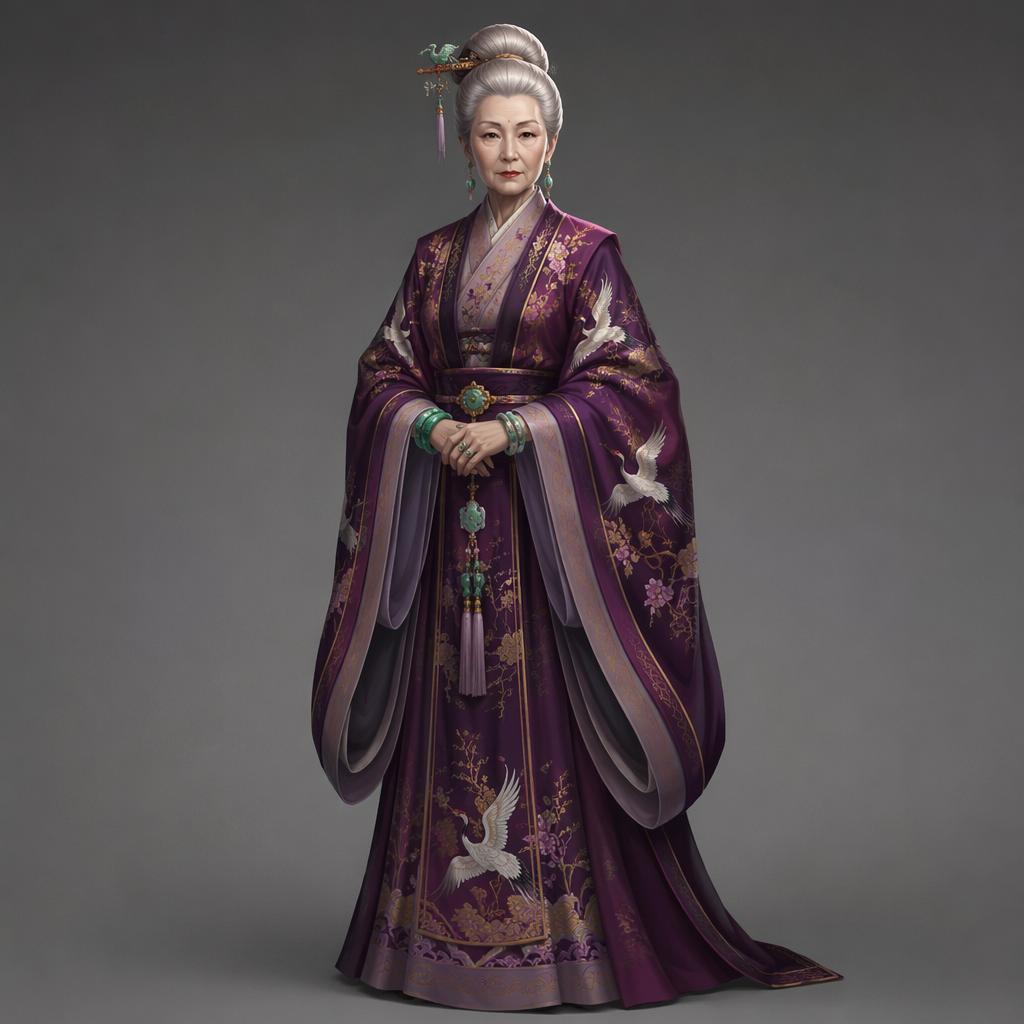
Twenty-six, eldest son of the Jing'an third branch, future heir-apparent of a marquis household — and, by his own resigned admission, the responsible one. While his younger brother He Changdi was being spoiled rotten by their grandmother and mother, He Changqi was being shoved into ledger rooms, escorted to ancestral rites, and quietly groomed to inherit. The result is a steady, slightly tired man who speaks plainly, drinks two cups instead of three, and has a dry sense of humor that only comes out around people he trusts.
He likes Chu Lian. Not in a romantic way — he's contentedly married to his own wife, a soft-spoken first madam of the household — but in the unmistakable way of an older brother who watches a brand-new sister-in-law walk into a war zone and immediately decides he's going to be on her side. Within a week of the wedding he pulls her aside and tells her, gently and unhappily, that He Sanlang has been spoiled past the point of recovery and that something in him changed even before the marriage; he's sorry; the family owes her better than this. From then on he runs interference: covers for her at family gatherings, signs off on her trade ventures without making her beg, slips her information about He Changdi from the front lines that nobody else would.
He's not a fighter. He's a household man — accounts, courtesies, the slow politics of a noble residence — and he's good at it. With strangers he's polite to the point of being slightly remote; with juniors he's warm but firm; with Chu Lian he is, increasingly, openly fond, a kind of older-brother fondness that He Changdi has not earned and may never. He worries about his little brother. He doesn't trust him. He keeps a copy of every letter Chu Lian sends to the front, just in case He Sanlang misplaces them on purpose.